

Gordon Meredith Lightfoot – a talented singer, songwriter, and guitarist. Gordon is one of the most renowned and respected songwriters of the 20th century, as well as one of the most prominent musicians to come from Canada. More at torontoski.
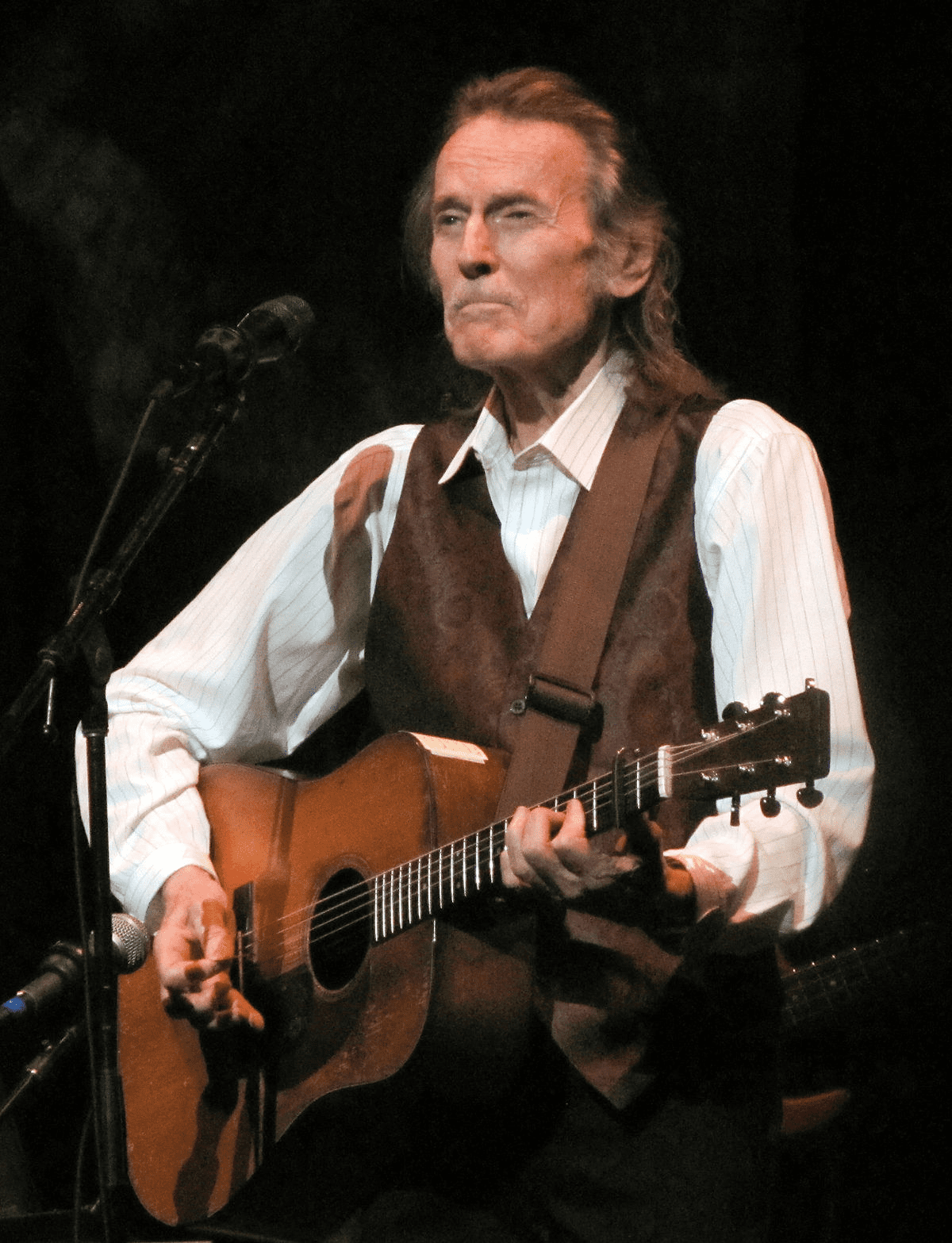
Family and Education
The singer was born on November 17, 1938, in Orillia. From an early age, Lightfoot’s parents, Jessica and Gordon Lightfoot Sr., supported his interest in music. As a boy soprano, he performed on local radio in Orillia, sang in oratorios and operettas, performed at weddings throughout southern Ontario, and participated in Kiwanis music festivals. At the age of 13, he performed at a Kiwanis festival winners’ concert at Massey Hall, which would later become the site of many of his triumphs. In 1952, he won first place in the “soprano unchanged voices” class at the Kiwanis festival.
At 14, Lightfoot began working at his father’s dry cleaning business. He worked there part-time throughout his school years. As a teenager, he was a talented track and field athlete and played on his school’s football team. He also studied piano, taught himself to play the drums, and sang in a quartet called “The Collegiate Four.” In 1954, this quartet won first place on the CBC television talent show “Pick the Stars.” In 1955, Lightfoot also won several competitions with the quartet Teen-Timers. From 1957 to 1958, Lightfoot lived in Los Angeles. There, he studied jazz orchestration at Westlake College of Music and earned a living by writing and arranging commercial jingles.
Early Career Steps
After returning to Canada, Lightfoot worked as a bank clerk and a truck driver for 14 months. From 1959 to 1961, he performed on the CBC television show “Country Hoedown” as a member of the groups Singing Swinging Eight and Gino Silvi Singers. During this period, Lightfoot also began singing folk songs and playing guitar in Toronto.
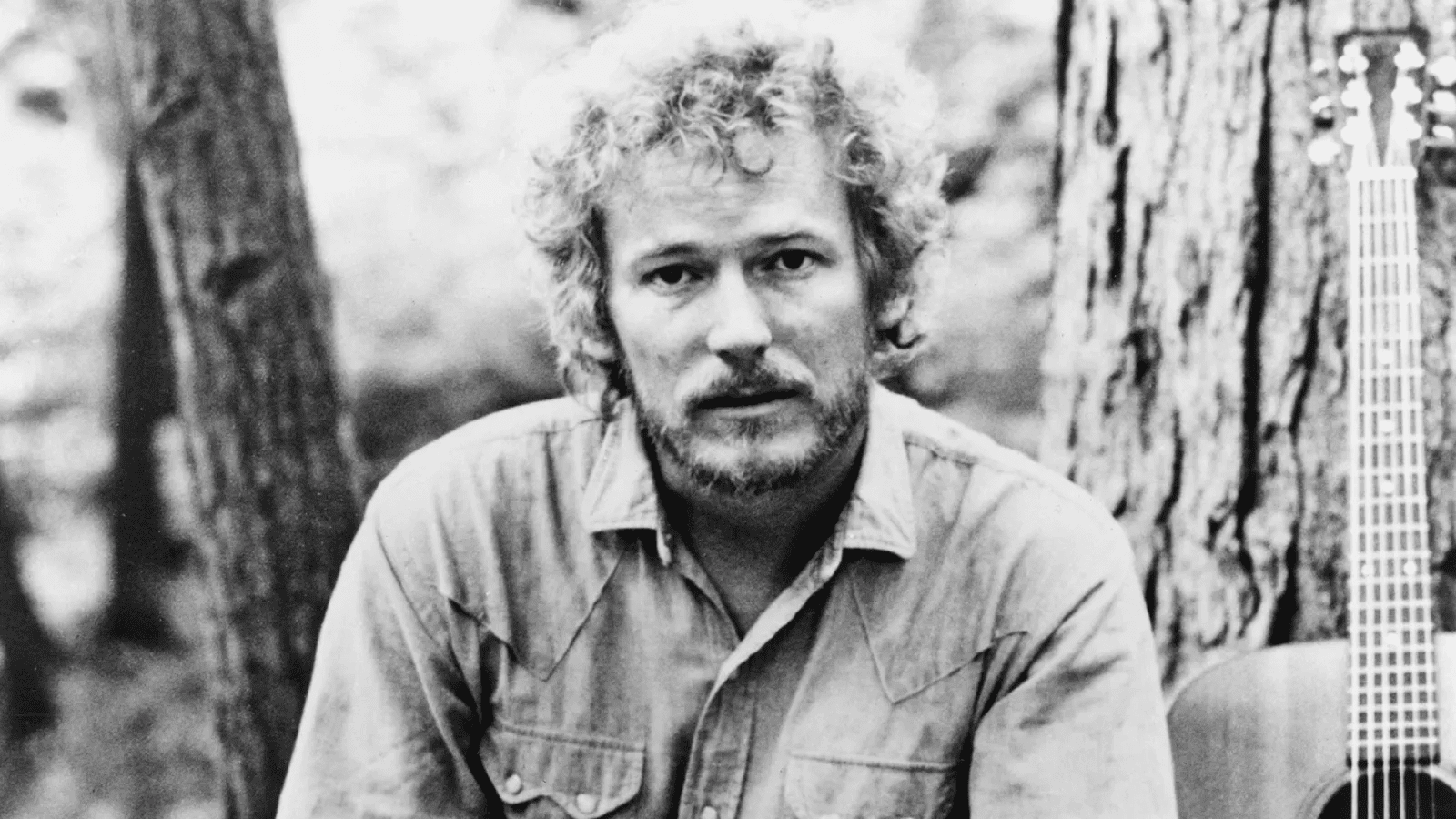
In 1962, Lightfoot released two singles: (Remember Me) I’m the One and Negotiations/It’s Too Late. The tracks received significant radio airplay in Canada. Later, Lightfoot teamed up with Teen-Timers member Terry Whelan, and they performed as the duo Two Tones in coffee houses in southern Ontario. That same year, the pair released a live album titled Two Tones at the Village Corner, which was released domestically. They also performed at the Mariposa Folk Festival in 1962.
After some time, Lightfoot traveled to Europe, where he hosted the BBC TV “Country and Western Show” for one season. Returning to Canada, he performed in coffee houses and bars in Ontario, Quebec, and the eastern United States. Despite performing in the US, Lightfoot was initially better known there as a songwriter. In 1964, the duo Ian & Sylvia saw Lightfoot perform in Toronto and recorded his songs “For Lovin’ Me” and “Early Morning Rain.” In 1965, “For Lovin’ Me” became a significant hit for the renowned trio Peter, Paul and Mary. The song was also recorded by other artists, including Chad & Jeremy, the vocal group The Johnny Mann Singers, Elvis Presley, and others.
Following this success, Ian & Sylvia introduced Lightfoot to their manager, Albert Grossman, who would also go on to manage him. In 1965, Lightfoot became even more popular. This followed the release of the single “I’m Not Sayin’.” A cover of it by American country singer Leroy Van Dyke became popular in the US. Lightfoot’s next single, “Ribbon of Darkness,” as performed by Marty Robbins, became a #1 country hit in the US (1965). In the mid-sixties, Lightfoot’s songs found a new audience through recordings by Harry Belafonte, Judy Collins, George Hamilton IV (who later released an album, Lightfoot Country, consisting entirely of Lightfoot’s songs), Richie Havens, and The Kingston Trio.
Solo Albums of the 1960s
In 1966, Lightfoot’s debut album was released. It immediately gained critical acclaim and commercial success, making the singer one of the first Canadian musicians to achieve international success without having to leave Canada. For Canada’s 100th anniversary (Centennial), Lightfoot was commissioned by the CBC to write a song for a special program called “100 Years Young,” which aired on January 1, 1967. The result was the “Canadian Railroad Trilogy,” a song about the construction of the Canadian Pacific Railway in the 1880s. This song was included on Lightfoot’s second album, The Way I Feel (1967). That same year, he embarked on his first Canadian tour.
Following this success, Lightfoot quickly released three more albums: Did She Mention My Name? (1968), Back Here On Earth (1968), and his first live album, Sunday Concert (1969), which was recorded at Massey Hall. In addition, by the end of the decade, he had been named “Top Folk Singer of the Year” four times (1965, 1966, 1968, and 1969) in RPM magazine’s annual reader polls.
Albums of the 70s
By 1970, Lightfoot’s reputation as an internationally acclaimed folk singer and songwriter was so significant that he was appointed an Officer of the Order of Canada. That same year, he received a Juno Award (then known as a Gold Leaf Award) for “Best Folk Singer.” In 1971, Lightfoot scored his first international hit with the single “If You Could Read My Mind.” The song reached number one on Canada’s RPM Top Singles chart and number five on the US Billboard Hot 100. The song was also nominated for a Grammy Award for “Best Male Pop Vocal Performance” (1971), and was later covered by Liza Minnelli and Barbra Streisand. “If You Could Read My Mind” was on Lightfoot’s sixth album, Sit Down Young Stranger (1970), which was later retitled If You Could Read My Mind after the success of the title track. The album eventually peaked at #12 on the Billboard 200 and was certified gold in the US in 1972.
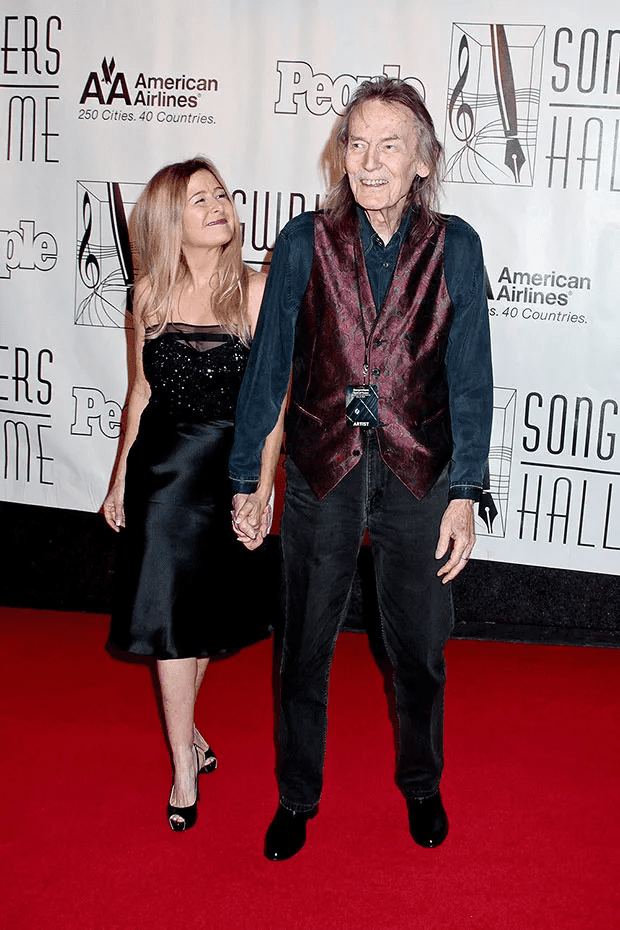
Lightfoot’s seventh album, Summer Side of Life (1971), reached number three on the Canadian sales chart. A year later, his eighth album, Don Quixote (1972), hit number one for the first time. In 1971, Lightfoot again won the Juno Award for “Best Male Vocalist,” and in 1972, “Male Vocalist of the Year.” The string of hits continued with Lightfoot’s second album release of 1972, Old Dan’s Records, which topped the RPM album chart and peaked at #95 on the Billboard 200, thanks in large part to the popularity of its title track.
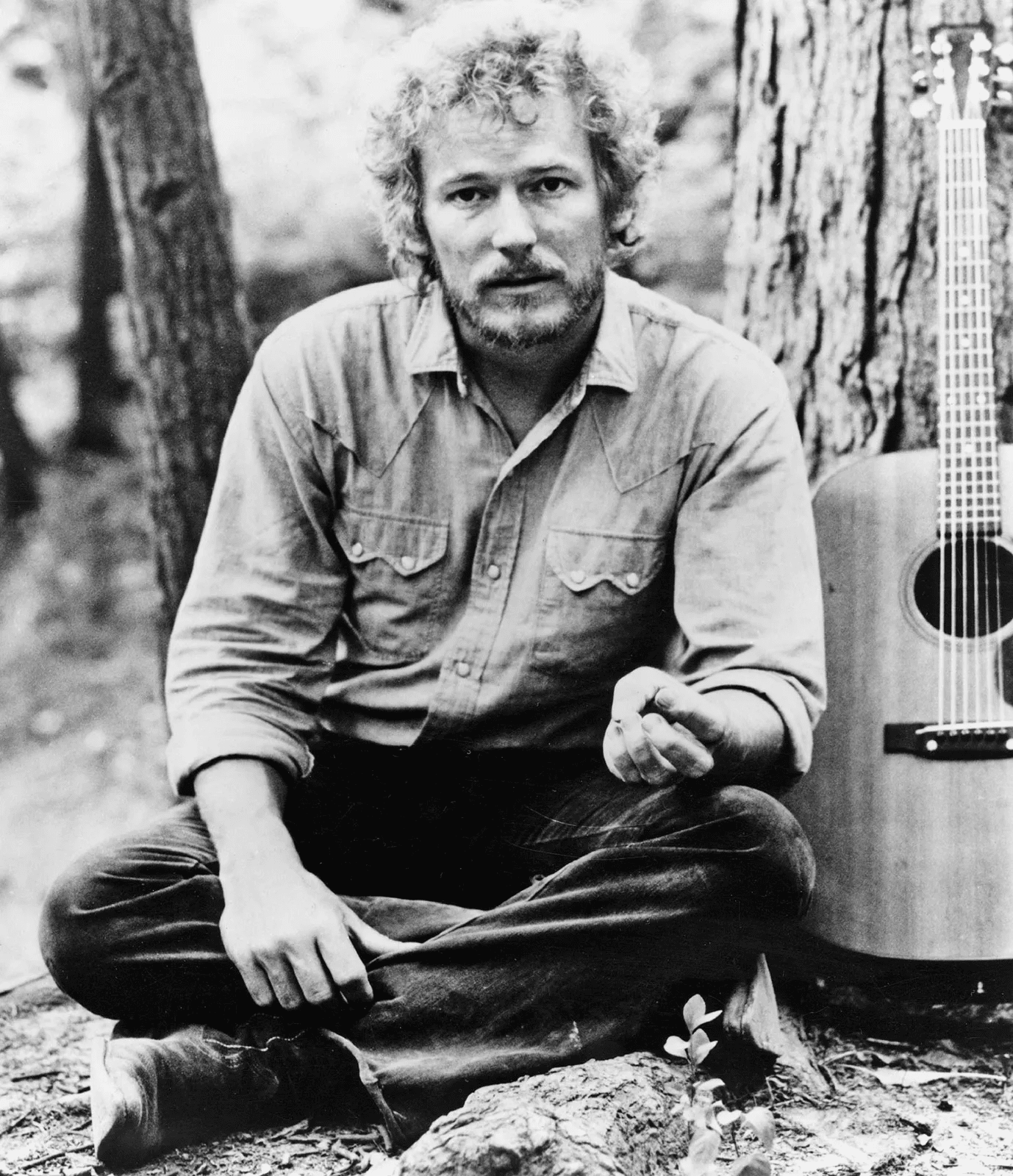
In March 1972, while performing at Massey Hall, Lightfoot suffered an attack of Bell’s palsy, which temporarily paralyzed part of his face. He suspended touring for a time to recover. He returned to his career in 1973, after which he almost immediately received Juno Awards for “Male Vocalist of the Year” and “Composer of the Year.” In 1974, the album Old Dan’s Records won the award for “Best Folk Album.”
Lightfoot’s tenth album, Sundown (1974), reached number one on both the Billboard 200 and RPM 100 charts. The title track hit number one on the RPM National Singles chart and the Billboard Hot 100, becoming Lightfoot’s only track to reach the #1 position in the US. Sundown also marked the pinnacle of Lightfoot’s acoustic folk-country style before he began to incorporate more electric instruments into his music.