The Architect of Comedy from Forest Hill: How a Toronto Native Created "Saturday Night Live" and Conquered Global Pop Culture

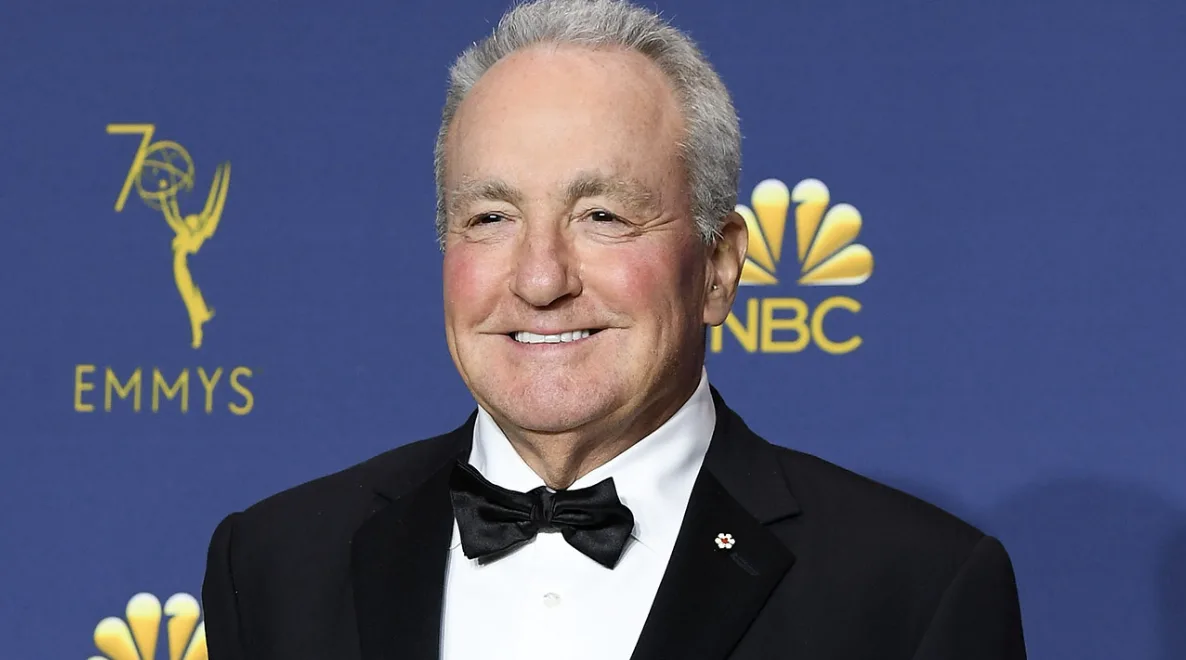
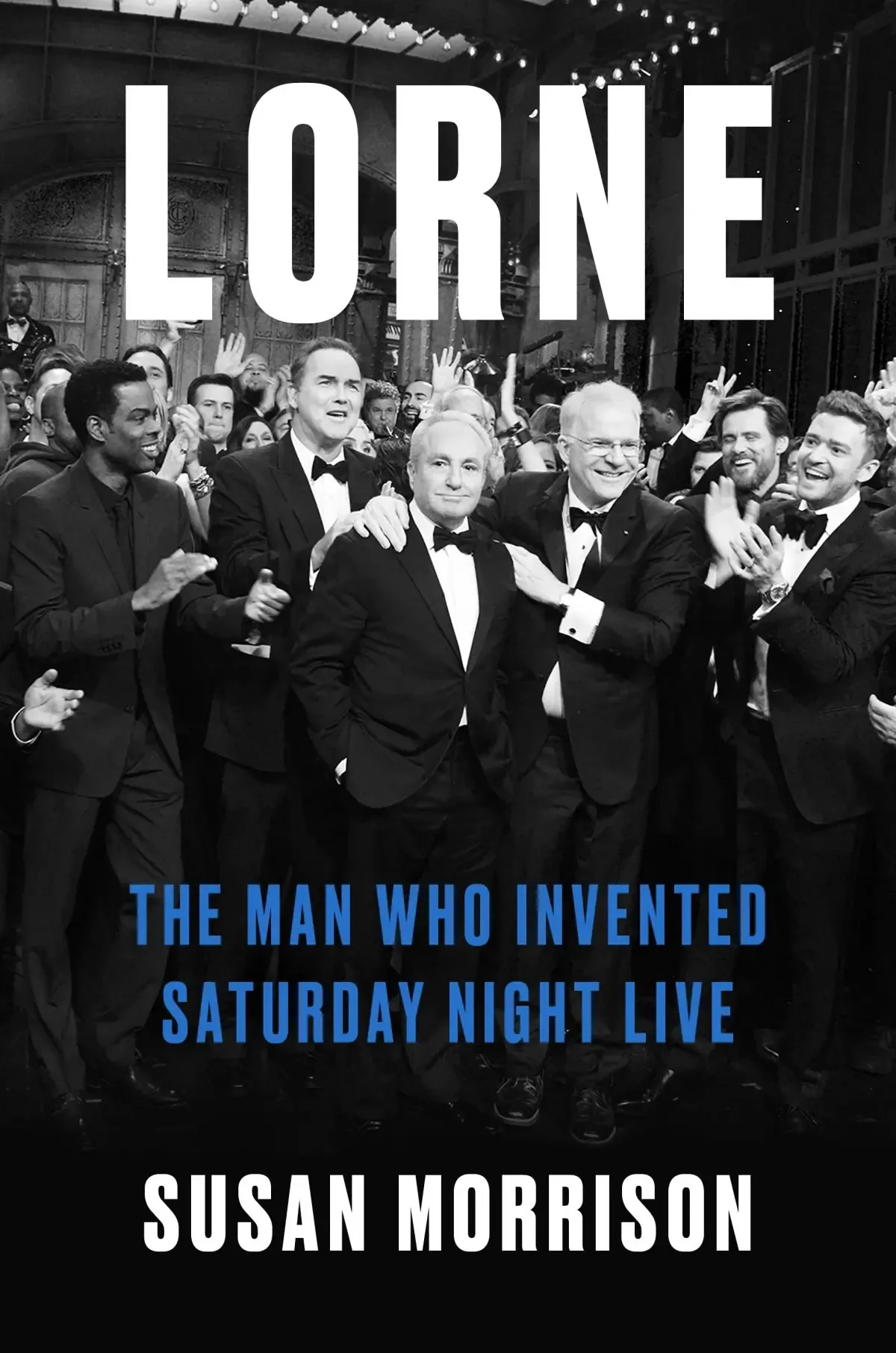
His name is Lorne Michaels (born Lorne David Lipowitz). Today, he is the most decorated television producer in history, a recipient of dozens of Emmy Awards, a Companion of the Order of Canada, and the man who single-handedly rewritten the rules of comedy across two centuries. As his landmark sketch show, "Saturday Night Live" (SNL), marks its historic 50-year milestone and biographical portraits—most notably by The New Yorker’s Susan Morrison—cement his legacy, it is the perfect moment to look back. The journey to this cultural empire began right here, on the familiar streets of Toronto.
A Toronto Youth and First Lessons in Comedy
Lorne Lipowitz was born on November 17, 1944, into a middle-class Jewish family. He spent his childhood and youth in Forest Hill—a picturesque, affluent, and respectable neighborhood of Toronto. He attended the renowned Forest Hill Collegiate Institute, where life seemed mapped out for a conventional professional track: law, medicine, or academia.

Fate, however, had other plans. When Lorne was just 14 years old, his father died suddenly. The devastating loss could have derailed the young teenager, but instead it sparked an intense drive to carve out his own path. Lorne found himself drawn to the arts and television—a medium Toronto approached with cautious skepticism at the time. A true mentor and surrogate father arrived in Frank Shuster, a giant of Canadian comedy and half of the beloved duo Wayne and Shuster, who were regulars on The Ed Sullivan Show in New York. Shuster’s daughter, Rosie, would later become Lorne’s first wife and a key writer during SNL's formative years. It was Frank Shuster who revealed the inner workings of humor to young Lorne, demonstrating that comedy is not just spontaneous clowning, but a precise science of human emotion where rhythm, silence, and cadence are everything.
Entering the University of Toronto (U of T), Lorne majored in English literature. University life honed his ear for language, his eye for drama, and his grasp of narrative structure. Within U of T’s lecture halls, he partnered with his friend Hart Pomerantz to take their first creative risks in comedy.
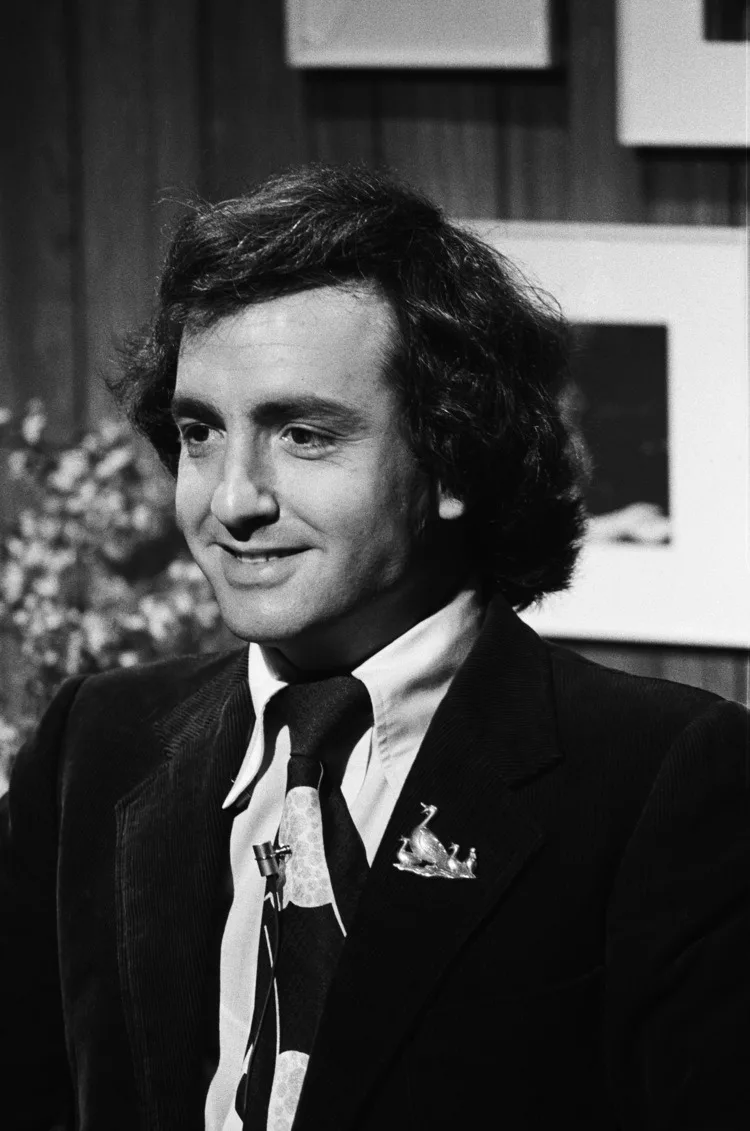
The duo soon caught the attention of the national broadcaster. On CBC television, they created "The Hart and Lorne Terrific Hour" (1970–1971)—a satirical variety series that already previewed a comic revolution. It featured sharp parodies of daily programming, pointed social commentary, cutting-edge musical acts, and an outright rejection of tired variety tropes. Toronto served as Lorne’s proving ground. Here, he cut his teeth, learned to handle live studio environments, and cemented the principle that would guide his career: comedy must speak the language of its own generation.
An Outsider’s Eye: Why a Canadian Conquered New York
Cultural critics often observe that some of the sharpest satirists and observers of American life are Canadian. Living directly beside an entertainment juggernaut, Canadians share the culture while keeping the clarity of an outsider. They grasp every nuance of the American myth, yet view it through an ironic, clear-eyed lens.
Lorne Michaels was the embodiment of that perspective. He first visited New York City in the winter of 1961 as a 17-year-old staying in Greenwich Village. Broadway shows, smokey jazz basements, and a backstage glimpse of Jack Paar’s late-night show captivated him forever. Yet back home, he didn’t just daydream—he took notes.
When Lorne moved south in the early 1970s, he quickly built a reputation as a gifted writer. He contributed to hit shows like "Rowan & Martin’s Laugh-In" and specials for Lily Tomlin. Still, his instincts told him television was stuck in a time warp. Primetime was controlled by an aging, conservative guard, while the culture outside surged with rock 'n' roll, the counterculture, anti-war protests, and the emerging voice of the baby boomers. Youth culture saw nothing of itself on the screen.
The breakthrough arrived when an executive dispute flared up at NBC. Johnny Carson, host of the dominant "Tonight Show," demanded the network stop running weekend repeats of his program to protect its exclusivity. That left a 90-minute dead zone on Saturday nights. Network brass scrambled for an inexpensive, fresh concept. Lorne Michaels walked into their offices with an uncompromising vision: a live, dangerous, unpredictable show that mirrored the pulse of Manhattan, blending biting political satire, avant-garde sketches, and appearances by the era’s most electrifying rock stars.
On October 11, 1975, from Studio 8H in Rockefeller Center, "Saturday Night Live" debuted. Television would never be the same.
The Michaels Method: Steel Resolve and the "Fabian Strategy"
Plenty of producers capture lightning in a bottle for a season or two. Lorne Michaels’ true genius lies in holding the wheel for over fifty years. How did a kid from Toronto tame one of the most volatile creative ecosystems in show business?
From night one, SNL ran on adrenaline and barely controlled chaos. Throughout the 1970s, the backstage world was a crucible of outsized egos, substance abuse, and explosive feuds. John Belushi wrecked sets, Chevy Chase traded punches, and guest hosts made outrageous demands. Amid the fireworks, Lorne remained an anchor of quiet, total authority.
Biographers liken his management style to the "Fabian strategy"—named after the Roman general Fabius Cunctator, who avoided pitched battles and wore down his rivals through patience, tactical retreat, and endurance. Lorne never raised his voice or resorted to open hostility. Whenever NBC executives pushed for artistic compromises, heavy-handed censorship, or casting purges (as occurred during the 1990s with young talents like Adam Sandler and Chris Farley), Michaels dug in. He quietly bided his time until the executives were replaced or forced to relent in the face of passionate audience loyalty.
In her biography, Susan Morrison captures the mystique that staff came to call "Lorne-ness." Cool and emotionally reserved on the surface, he possesses an unerring eye for comedic talent. Lorne could spot the spark in a rough, unpolished premise and guide writers on how to rework its pacing. He taught the industry the crucial difference between an easy parody ("skit") and sustained, character-driven storytelling ("sketch"), insisting that even the most absurd scene must stay anchored in real human truth.

He also possessed an effortless magnetism that drew in the cultural giants of the day. Friends recalled how, in the show's early days, Paul Simon and Mick Jagger spent hours lounging in Lorne’s New York apartment, debating music and design. The once-unknown kid from Toronto possessed an uncanny knack for meeting creative minds on their own terms.
The Canadian Pipeline to American TV
Despite his massive American profile, Michaels never abandoned his roots. He built a vital creative pipeline between Toronto and New York, ensuring Canadian talent helped power the show's engine.
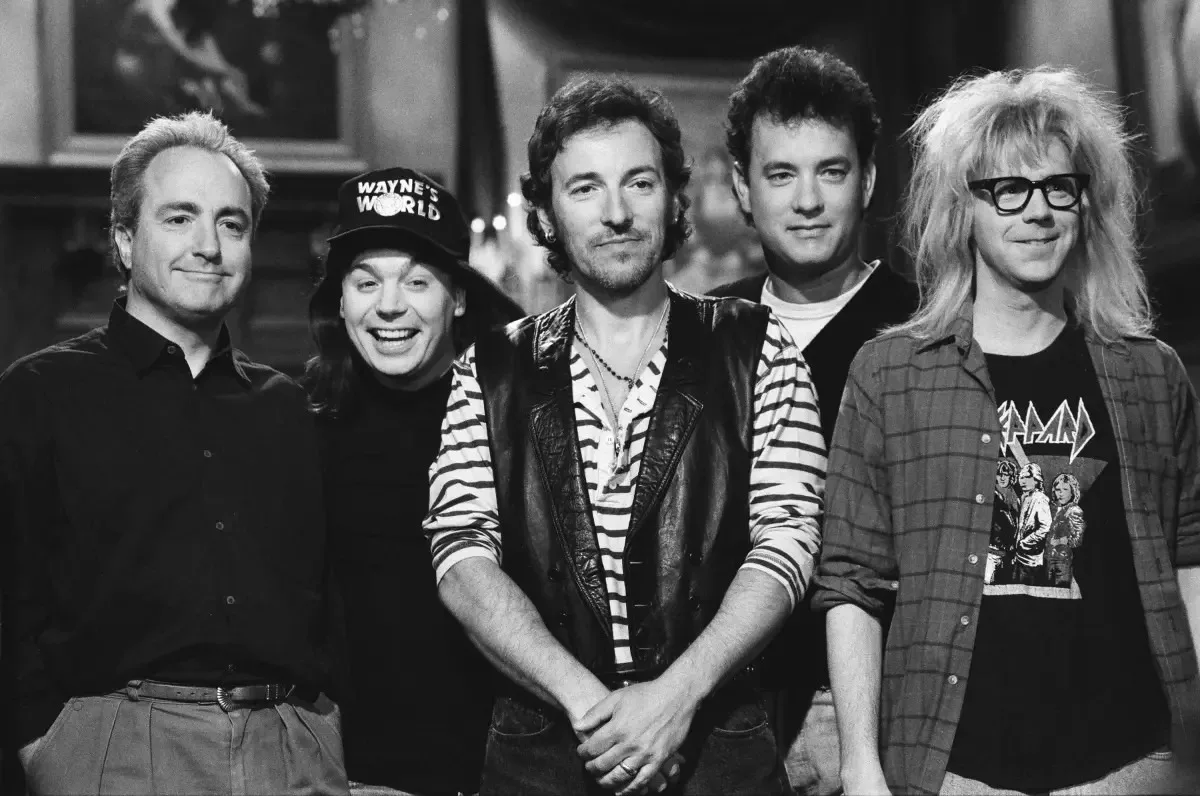
He championed Scarborough-born Mike Myers, whose Wayne Campbell character emerged from observing teenagers in suburban Ontario. Together, they produced the smash-hit comedy film "Wayne’s World," which shattered box-office expectations and became an enduring pop-culture phenomenon. The show's musical backbone was anchored for decades by fellow Canadian Paul Shaffer alongside Howard Shore’s house band (Shore, who later scored "The Lord of the Rings," began as SNL’s original musical director and was an old Toronto friend of Michaels).
Dan Aykroyd, Catherine O’Hara, Martin Short, Norm Macdonald—through Michaels, this Canadian contingent formed the backbone of modern North American satire. Lorne built an environment where a distinctly Canadian sensibility—dry, observational, and playfully surreal—became the gold standard of global comedy.
The Broadway Video Empire and Late-Night Primacy
Michaels' business acumen proved just as formidable as his creative instincts. In 1979, he founded Broadway Video, which blossomed into an entertainment powerhouse spanning television production, post-production, and format development.
When American late-night television needed reinvention in the early 1990s, NBC turned to Michaels once again. In 1993, he made the audacious, widely questioned call to hand the host chair of "Late Night" to Conan O'Brien, an unproven behind-the-scenes writer. Industry insiders predicted disaster within weeks, yet Lorne’s hunch proved visionary: Conan went on to define late-night television for an entire generation.
Under Michaels' stewardship, Jimmy Fallon (who would eventually take over "The Tonight Show") and Seth Meyers also rose to late-night prominence. Add to that the critically acclaimed sitcom "30 Rock" created with Tina Fey, cinematic hits like "Mean Girls" and "Tommy Boy," and Broadway productions including the Tony Award-winning drama "Leopoldstadt"—and you have a producer who has shaped nighttime entertainment across two continents.
Hometown Honors: The Pride of Toronto
American entertainment has a habit of claiming success stories as its own, but to Toronto, Lorne Michaels remains a favorite son. His cultural contributions have been celebrated at the highest levels on both sides of the border.
In 2002, he was inducted into the Order of Canada, the country’s highest civilian honor. His star is embedded on Canada’s Walk of Fame in downtown Toronto. Academia paid tribute as well: Toronto Metropolitan University (formerly Ryerson University) awarded him an honorary doctorate. Even upon receiving America’s highest comedic accolade—the Mark Twain Prize at the Kennedy Center in 2004—Michaels made sure to highlight the city that shaped his wit and taught him to appreciate the power of a great punchline.
Now past 80, Lorne Michaels still steers the empire he built. He shows no signs of resting on his laurels: the writers' room continues to welcome sharp, ambitious twenty-somethings, while the soundstage hosts the most relevant musical acts on the planet. As Susan Morrison pointedly observed in her book: "In Peter Pan, the Lost Boys never grow up; in the SNL universe, they grow up and leave, while Michaels stays behind, playing both Wendy and Captain Hook."
What Lorne Michaels’ Legacy Teaches Us
The journey of the kid from Forest Hill is far more than a list of accolades and famous friends. It stands as compelling proof of the universal reach of Toronto’s creative heritage.
Lorne Michaels proved that to make your mark on the world, you don’t need to be the loudest or most provocative voice in the room. You can be the person in the tailored suit who watches carefully, listens intently, organizes chaos with a steady hand, and trusts deeply in raw talent.
Every time we laugh at a razor-sharp joke, appreciate brilliant satire, or quote our favorite comedy films, it’s worth remembering: the roots of that laughter are fed by the waters of Lake Ontario—and by the story of a young man who set out simply to make his Toronto friends smile.