

The Canadian National Exhibition, AKA The Exhibition, managed to gain fame as an annual event, the venue of which is the exhibition grounds of Toronto, as torontoski.info writes.
The Exhibition typically attracts over one and a half million visitors, making it the largest Canadian fair.
The first Canadian National Exhibition was held in the distant 1879 and was mainly devoted to the areas represented by agriculture and technology. Farmers, engineers and scientists exhibited their developments at that time as proof of the nation’s giftedness.
Over time, the exhibition began to expand extensively, covering other areas besides technology and agriculture, so the event gained the attention of even more people. As a result, for many people living in and around Toronto, visiting the fair has long been an annual family tradition.
Multiple components
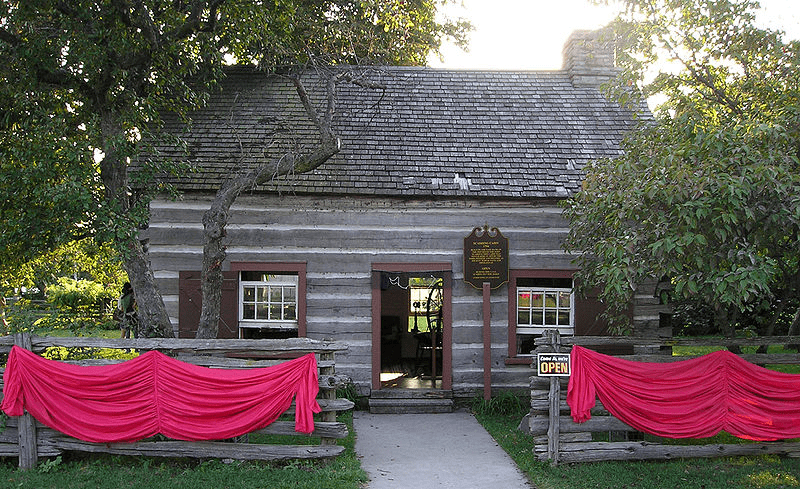
It is worth noting that such a large-scale event has multiple components that make it truly interesting and exciting. It refers to retail spaces, trade shows, exhibitions, performances, sporting events, a large carnival, amusement rides, etc.
Furthermore, the fair contains pavilions that showcase a variety of items, goods and crafts.
It goes without saying that agriculture continues to take center stage during The Exhibition. In this way, people can familiarize themselves with all the novelties of this sphere, as well as purchase unique agricultural products.
The Food Building is an excellent venue to learn more about diverse cultures’ cuisines. After all, Toronto is distinguished by its multicultural communities.
Carnival
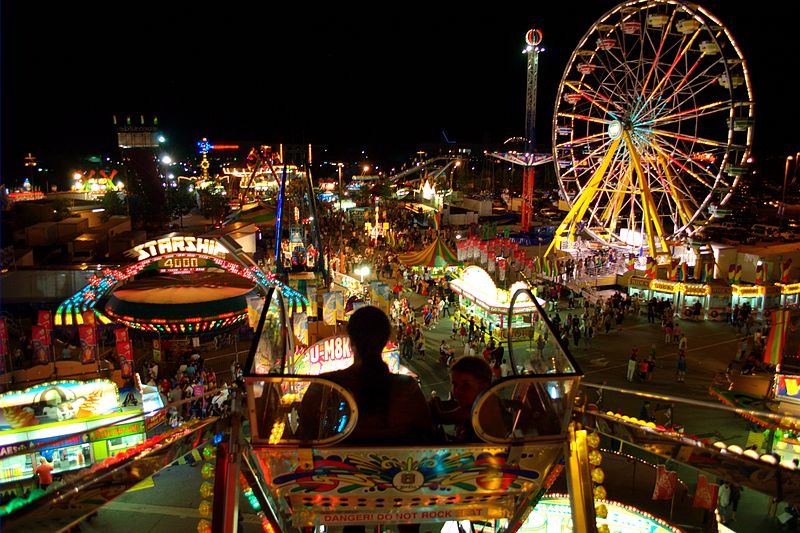
As for the carnival, it stands alone as a truly vibrant component of The Exhibition. In particular, we are referring to the incredible swing rides and Sky Ride. In addition, from musical and acrobatic shows, as well as diverse performances, it is simply impossible not to really have fun.
Primary component
One of the primary components of The Exhibition, as recognized by countless visitors, is the food.
After all, you have the chance to sample an array of dishes during this extensive event.
Significant milestone
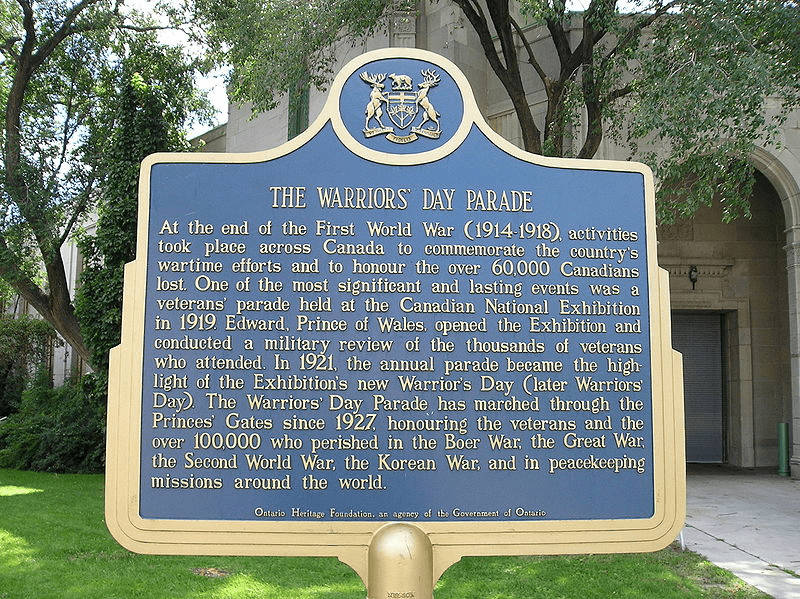
Regarding the history of The Exhibition, the formation of the Parade Council in 1921 marked a significant milestone. This Council contributed to expanding the whole event, which had hosted military parades and demonstrations since 1879.
The Council had the idea to designate a specific day to honor all Canadiens who participated in the First World War. It led to the creation of Warriors’ Day, which became an integral part of The Exhibition. For the first time, the parade took place in 1921. It has been held annually ever since, commemorating the dedicated service of Canadian men and women in the military at all times.
Early history
If we delve into the earlier history of The Exhibition, the following facts are worth noting.
September 1846 marked the first fair in Toronto. Contrary to the fact that the event was predominantly agricultural, it also featured a range of manufactured products and handcrafted items. The fair proved to be an incredibly successful event.
Further developments
In 1852, the fair was held again at the same place. Moreover, even the territory of the Horse Park was allocated for the fair. That year, the fair was again a great success, having thirty thousand people in attendance.
The fair moved in 1853 and was not held in Toronto for quite some time afterward.
It was not until 1878 that Toronto city officials approached the Provincial Agricultural Association with a proposal that the fair should always be held only in Toronto. Subsequently, the organizers expressed great gratitude to the City Council and the Exhibition Committee for what they had done to make the fair a success in 1878. But at the same time, the representatives of the Association reported that in 1879, the fair would take place in another city.
As a result, the Toronto city officials, in cooperation with the local business people, have begun to develop plans for a permanent exhibition in Toronto.
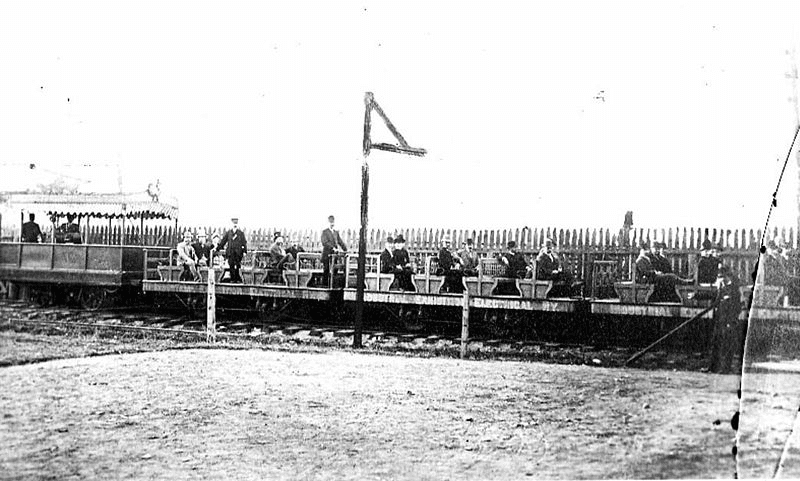
The first such exhibition took place on September 3, 1879 and was known as the Toronto Industrial Exhibition. This event attracted over 100 thousand visitors and had been presented with 8234 exhibits.
The fair has consistently improved and developed over time, with its territory growing significantly.
Renaming
The year 1912 was memorable for the fact that the Industrial Exhibition got its new name, the Canadian National Exhibition. With that, the organizers intended to put a particular highlight on the scale of the fair. The Exhibition featured exhibits reflecting the most recent technological breakthroughs in industry and agriculture of that time. Notably, it displayed the finest examples of the then-modern technology. In particular, visitors could see Edison’s phonograph in 1888 and a wireless telephone in 1890. In the following years, the exhibition organizers presented the visitors with new progress in the form of radio, television, plastics and synthetic materials, etc.
Notably, the Government of Canada is not associated with the fair, but it has frequently been displayed at The Exhibition.
Partner company
In 1937, The Exhibition signed a contract with Conklin Shows to supply amusement rides and games for the event. Overall, the mentioned company provided the exhibition with operations up to 2004. After that, Conklin Shows decided to merge with several other leading companies in this field. As a result, a new company was established that subsequently became responsible for supplying The Exhibition with rides.
The war years
When the war broke out, the exhibition grounds became the home of the Canadian military. In particular, in 1939, the Air Force settled there.
In the 1940s and 1941s, most troops were redeployed from the fairgrounds, while those who remained continued to carry out their usual administrative duties. They also took part in exhibition events that promoted the Canadian military industry.
In the meantime, the organizers of the Canadian National Exhibition hoped to continue holding the fair despite the war. But in 1942, the exhibition grounds were allocated to the military again and they began to use it all year round. During that time, the Canadian Armed Forces occupied all the available exhibition space.
Overall, the exhibition grounds remained closed and controlled by the Canadian military until 1946. Throughout 1945 and 1946, the exhibition site was used as a demobilization center for military personnel.
A new stage

The resumption of the exhibition took place in 1947. At that time, the Canadian population literally “flooded in” to familiarize themselves with the latest technological advances. The event also managed to bring together the best sports and entertainment events.
Later, The Exhibitiоn was significantly improved and given a more contemporary and global outlook. That, in turn, had a tremendously positive impact on the exhibition’s attendance, as all these transformations captured the attention of even more people.
Furthermore, the exhibition improvements are reflected by the recognition of the event outside Canada. With its uniquely vibrant, saturated and diverse display, the event is held in the best traditions of modernity and is sure to captivate and pique curiosity.
Speaking of the most significant feature of this exhibition, it is undoubtedly its versatility. After all, such a combination of different spheres and directions is not to be found at every such event. So, it is safe to say that’s the secret to the popularity and fame of the Canadian National Exhibition, wouldn’t you say?