

Summer is the time of vacations, sunshine, beaches and an array of thrilling activities, according to torontoski.info. Moreover, such a tendency is noticeable in many countries worldwide, of which Canada is no exception.
As the capital of Canada, Toronto certainly attracts lots of tourists. However, apart from the enormous number of attractions, this city offers many exciting festivals to visit. They are widely popular among both tourists and locals. After all, learning more about the culture and traditions of the region is quite a fascinating activity.
It is worth noting that festivals cover not only cultural and historical topics but also address current social issues.
In particular, all civilized and developed countries recognize and respect the rights and freedoms of diverse minorities and groups. Among the communities that actively advocate for themselves is the LGBT. It is they who organize all kinds of festivals, parades and events that promote their self-identification and, of course, the protection of their rights.
Toronto also hosts a well-known summer festival that celebrates the LGBT community. Here, we are talking about Pride Toronto, one of the most large-scale events of its kind.
To make the festival even more spectacular and exciting, the organizers feature well known performers and DJs.
However, like any other event of its kind, Pride Toronto has its own history and traditions. Even though this festival draws a massive crowd, its organizers have encountered various ambiguous situations. Among other things, it is notably about funding and police involvement.
We devote our material to the history of this fascinating and vibrant festival, which features many exciting and memorable events, not to mention the fact that each year is dedicated to a different topic and program. So participants and spectators definitely won’t get bored with the same old routine.
Organizational matters
A non-profit organization of the same name is responsible for the organizational matters of the festival. It consists of fourteen employees who support and assist the festival teams. Each team, in turn, is responsible for a specific aspect of the organization.
Regarding the festival organization’s strategic oversight, it’s important to highlight that this part is entrusted to the twelve volunteers who are members of the Board of Directors.
About the festival
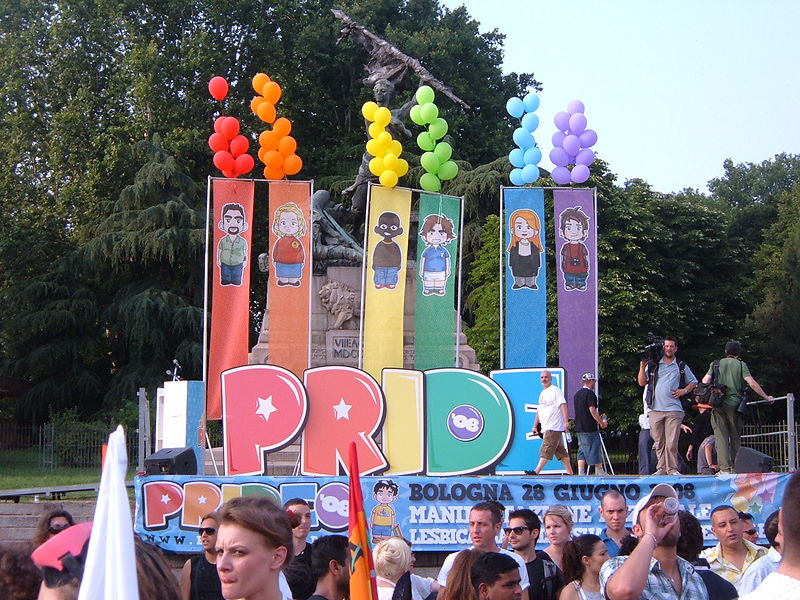
The very first festival took place in June 1981. Throughout its history, this event has maintained a festive nature and lasted for 7 to 10 days. The parade, a hallmark of the festival, is traditionally held towards the end of June or early July.
The entire first month of summer has acquired the status of Pride Month since 2016, so the festival has significantly expanded its program.
Impact of the coronavirus pandemic
The coronavirus pandemic led to the cancellation of the Pride Toronto festival. However, the organizers swiftly adapted to the situation by shifting to an online platform, where they successfully organized virtual events, including a parade, to ensure the celebration could continue safely and inclusively.
Program aspect
As for the program of Pride Toronto, of course, every year it is different. However, certain events remain permanent. In particular, we are talking about Tranѕ Marсh, Dykе Marсh and, of course, the Pride Parade itself.
Although it is impossible to determine the exact number of festival participants, we can confidently say that it varies from five hundred thousand to one million people.
The event has long ago acquired the status of a large-scale festival in the country. In fact, the city streets that serve as the venue for the event are even closed off to car traffic.
Historical aspect
Speaking of the history of the Pride Toronto festival, it is worth emphasizing that its origins were based on mass protests. Those, in turn, were a direct response to the raids conducted in the Toronto bathhouses in 1981.
Interestingly, in 2005, for the first time, even the chief of the Toronto Police Service, Bill Blair, took part in the festival. He marched in the company of politicians from various political affiliations, including multiple federal and provincial cabinet ministers, as well as Mayor David Miller.
Festival topics
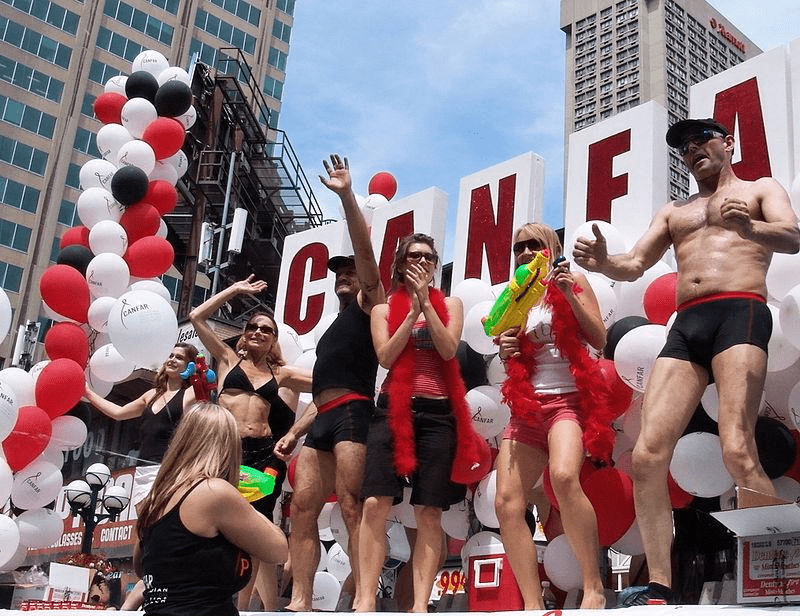
Returning to the festival organization matter, it is worth mentioning that each festival features its particular topic. It serves as a reflection of the current context and also helps in the process of shaping festival events.
Arguments
Like any other event related to the LGBT community, the Pride Toronto festival has sparked a certain amount of argument. After all, the popularity of this event has led to discussion of it as an overly commercial project that requires corporate sponsors and business interests to exist.
Moreover, festival opponents have raised concerns about its impact on political activism and local community groups, citing disruptions caused by hosting such an event.
Amidst all these statements and pronouncements, in 2015, Pride Toronto decided to withdraw all applications to register trademarks containing the phrases ‘Dykе Marсh’ and ‘Tranѕ Pride’. Those phrases were often related to events organized by outside groups, primarily representing transgender and lesbian communities. After all, these were the communities who frequently expressed that the festival did not adequately fulfill their requirements.
Requirements for organizers
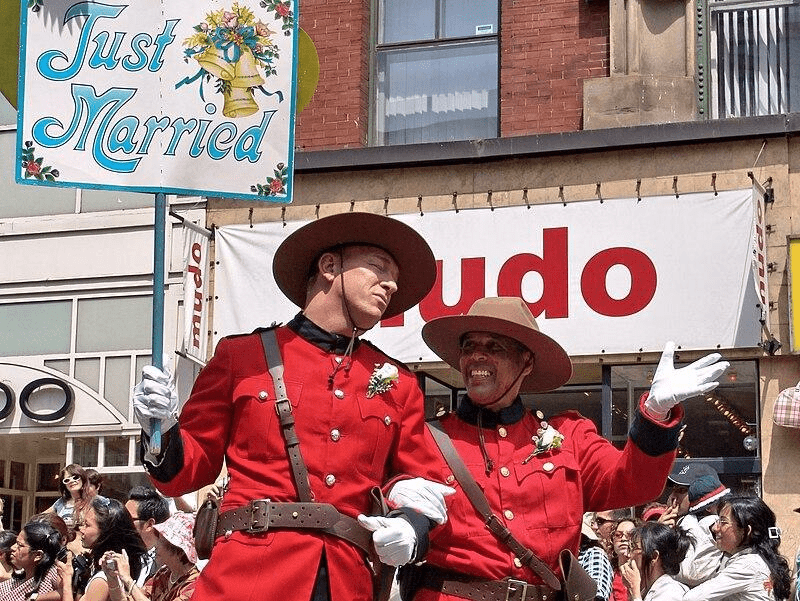
The 2016 festival highlighted the Black Lives Matter movement’s efforts to bring attention to racism within the LGBT community. In particular, the group expressed demands that the organizers of Pride Toronto allocate funding and space for events hosted by black participants. At that time, funding for programs targeting people of color was significantly reduced and their performance venues were moved to less appropriate spaces.
A scandalous grant and financial challenges
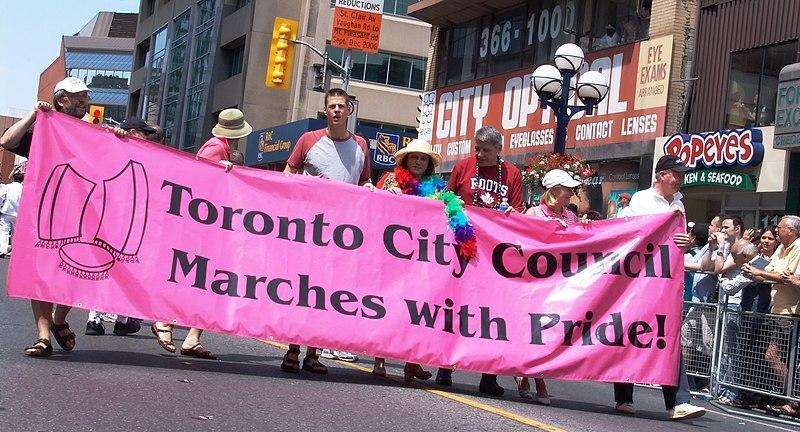
On June 15, 2009, on the eve of the festival, the government announced that Pride Togoronto had been awarded a federal grant. Its amount was four hundred thousand dollars. The funds were allocated through the Marquee Tourism program.
Subsequently, after the announcement was made, the Institute for Canadian Values issued a sensational statement. It condemned the Stephen Harper-led government for awarding the grand to Pride Toronto.
It was later revealed that the Conservative government had dismissed Ablonczy from her responsibilities regarding the Marquee Tourism program shortly after announcing funding for Pride Week. Presumably, this decision was influenced by a statement from the Institute for Canadian Values and the public reaction that followed. Conservative MP Brad Trost emphasized that the allocation of tourism funding to the Toronto gay pride parade did not align with government policy, urging the pro-life and pro-family community to be aware of this fact.
May of 2010 was marked by the fact that Pride Toronto was not awarded federal funding through the Marquee Tourism program, even though the festival’s grant application had been pre-approved.
Toronto City Councilor Kyle Rae shared his view on that announcement, stating that due to last year’s political environment and the dismissal of Diane Ablonczy, many people were not surprised by this result.
In the late summer of 2010, it came to light that Pride Toronto was facing substantial financial challenges. It was because both corporations and the city of Toronto had withdrawn future funding. All of this was caused by the decision to allow Queers Against Israel Apartheid to participate in the parade.
Based on their financial statements, Pride Week showed an operating deficit of $431,808 during the 2009/2010 period, in contrast to $138,605 in 2008/2009. Furthermore, the total grants received decreased from $971,800 in 2009 to $709,025 in 2010.
Despite the ambiguous attitudes and situations that arose because of the organization of Pride Toronto, it still managed to gain fame as a popular and bright event. Both locals and tourists follow the festival with interest. As the saying goes, everyone loves a good show, and Pride Toronto certainly delivers on that front!