

In the early 1970s, the Black and Latino gay, trans, and queer communities created a thriving subculture within “house balls.” It was at these gatherings that they could freely express themselves as individuals and not fear being marginalized by the community. The world of drag performance shows, which previously only supported white participants, eventually transformed into competitions with various performance formats, including battles, runway walks, and more. All these events date back to the late 1800s, but today they are true star-studded occasions. More at torontoski.
Attendees included people of different races, genders, and sexual orientations. Some women even participated in competitions in men’s clothing, but the main attractions were male female impersonators. They showcased exquisite gowns and walked the runway for judges, just as is common in beauty pageants.
What are drag balls? Why were they created?
Over the decades, drag balls gained popularity, but their reputation remained controversial. Until the early 20th century, such entertainment was considered illegal and taboo to the outside world. That is why participants were forced to go underground (which undoubtedly added even more allure to the event). According to a collection of essays on balls, presented at the New York Public Library, the number of spectators at drag balls grew significantly, though not quickly. In the 1800s, there were only a few, but by the 1930s, there were thousands.
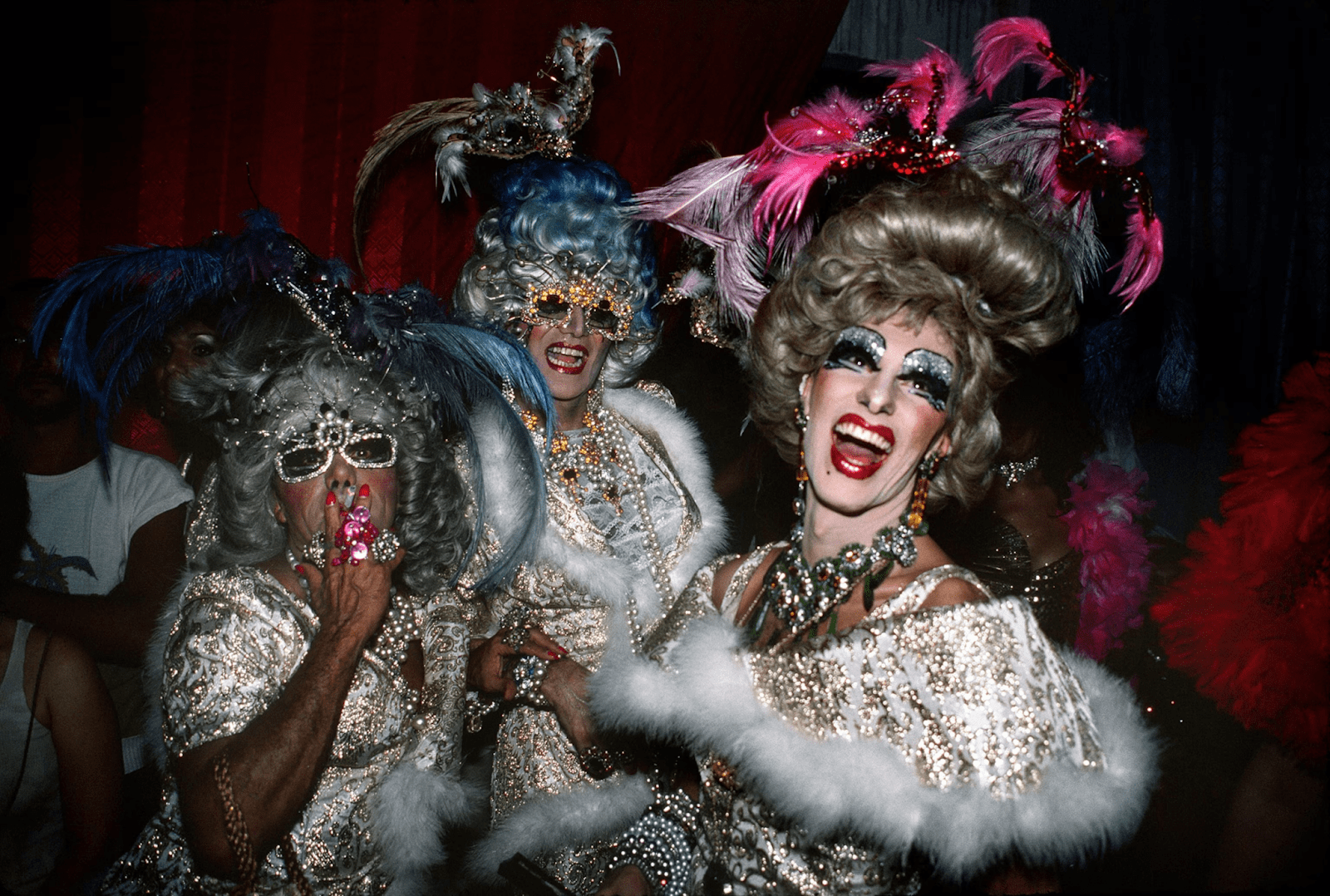
The freedom and self-expression of this culture, which gained strength during the Harlem Renaissance, became a significant catalyst for the large-scale development of drag balls in the 1920s. This era opened up new opportunities for African-American artists to experiment and rethink their creativity, and also provided a space to explore issues of gender, sex, and sexuality in a way that was previously unattainable. From the very beginning, drag balls were considered the only safe space for Black and Latino queer, gay, and trans people. It is therefore not surprising that their gatherings resembled warm and vibrant get-togethers with family. Moreover, the leaders of these events were called “mothers” and “fathers,” who mentored their “children” for life in a harsh world. Also, in ball culture, the “house” (meaning home) is the foundation upon which all events are built. For participants, the “house” is a symbol of kinship, showing alternative ways of what a real family can look like.
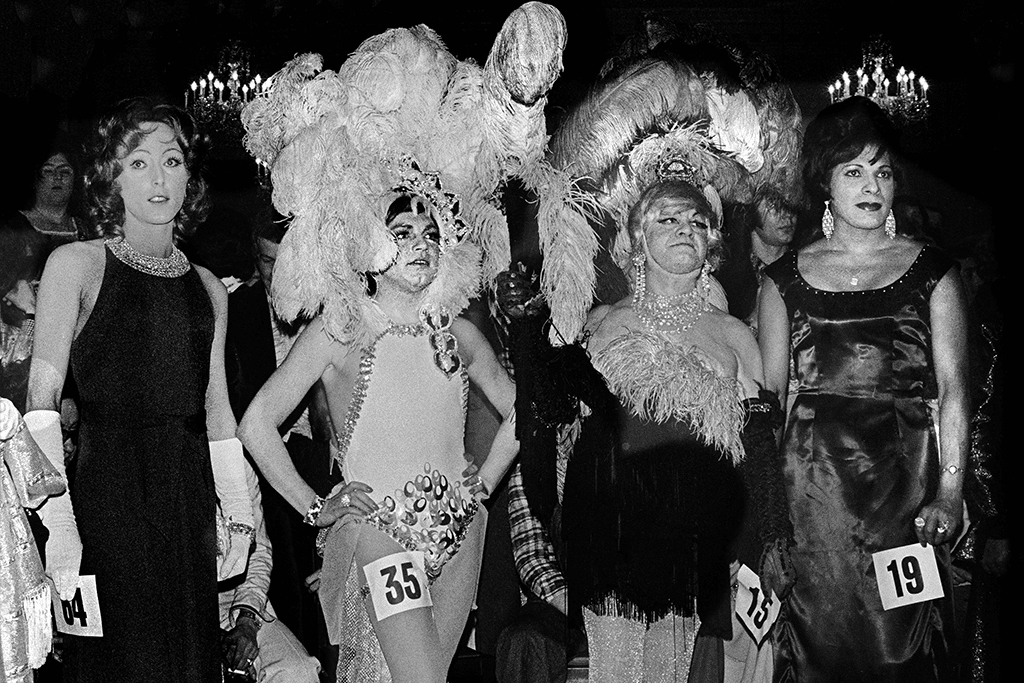
A brief history
The first large-scale and official drag ball was organized in Harlem. This happened around the early 1970s. The organizers were Crystal and Lottie, so the event was named “Crystal & Lottie LaBeija”. The ball was exclusively for Black and Latino gay, trans, and queer people.
The event was a great success. Thanks to it, Crystal and Lottie became a source of inspiration for many people in the queer community, who began to organize their own drag balls. Michael Roberson, a member of the Center for Race, Religion and Economic Democracy (CRRED) and founder of the House of Marison-Margiela, even noted that some women, such as Pepper LaBeija and Dorian Corey, did not identify as members of the LGBTQ community, yet they also organized such events.
Drag balls in Toronto and a training program for youth
In Toronto, these balls have become an integral part of the local LGBTQ culture. Specifically, in 2024, Pride Toronto launched a drag ball series called “Future Stars,” hosted by Berdra Bidness. This event featured participants from the fifth season of the Absolut Empire’s Ball (a competition organized by the Absolut brand), including The House of Venom (one of the houses participating in ball culture). Furthermore, Toronto has programs aimed at supporting young talents in the drag culture scene. For example, “Miss Future Star” is a free 9-week program that gives LGBTQ youth aged 13 to 24 the opportunity to learn the art of drag through workshops on social media marketing, makeup, costume design, and more.
Charitable entertainment of Toronto’s LGBTQ community
Nowadays, the drag ball in Toronto is a signature charity gala organized by the Yee Hong Community Wellness Foundation. They decided to combine a New Year celebration, a drag ball, and philanthropy.
That is why Dragon Ball 2025 will mark the 36th anniversary of one of Toronto’s most anticipated events, taking place on Saturday, January 25, at the Metro Toronto Convention Centre. The funds raised will go to help people who need psychological counselling, medical and social services, education, and more. They also plan to support seniors belonging to various ethnic groups. Specifically, the construction of a fifth long-term care centre is planned in Scarborough. In this way, Yee Hong Community wants to help seniors live healthy, smiling, happy, and valued lives. In total, Yee Hong Community operates 805 long-term care beds in the Greater Toronto Area, making it one of the largest non-profit providers in Canada. Through its social and community programs and services, Yee Hong Community serves over 15,000 seniors and their families in the region each year.