

David Brown Milne was a remarkable painter, a talented printmaker, and an accomplished writer. Clement Greenberg, the renowned American art critic, considered Milne one of the three most important artists of his generation in North America. Read more on torontoski.
Who Was David Milne?
David Milne was the youngest of 10 children born to a Presbyterian family of Scottish immigrants. His education and initial recognition took place in New York, as he was largely unknown in Canada until 1934. For much of his life, Milne received less attention than his contemporaries, such as the Group of Seven. However, later generations of artists have given him the highest regard among Canadian painters. International curators and critics often recognize him as Canada’s most distinguished painter.
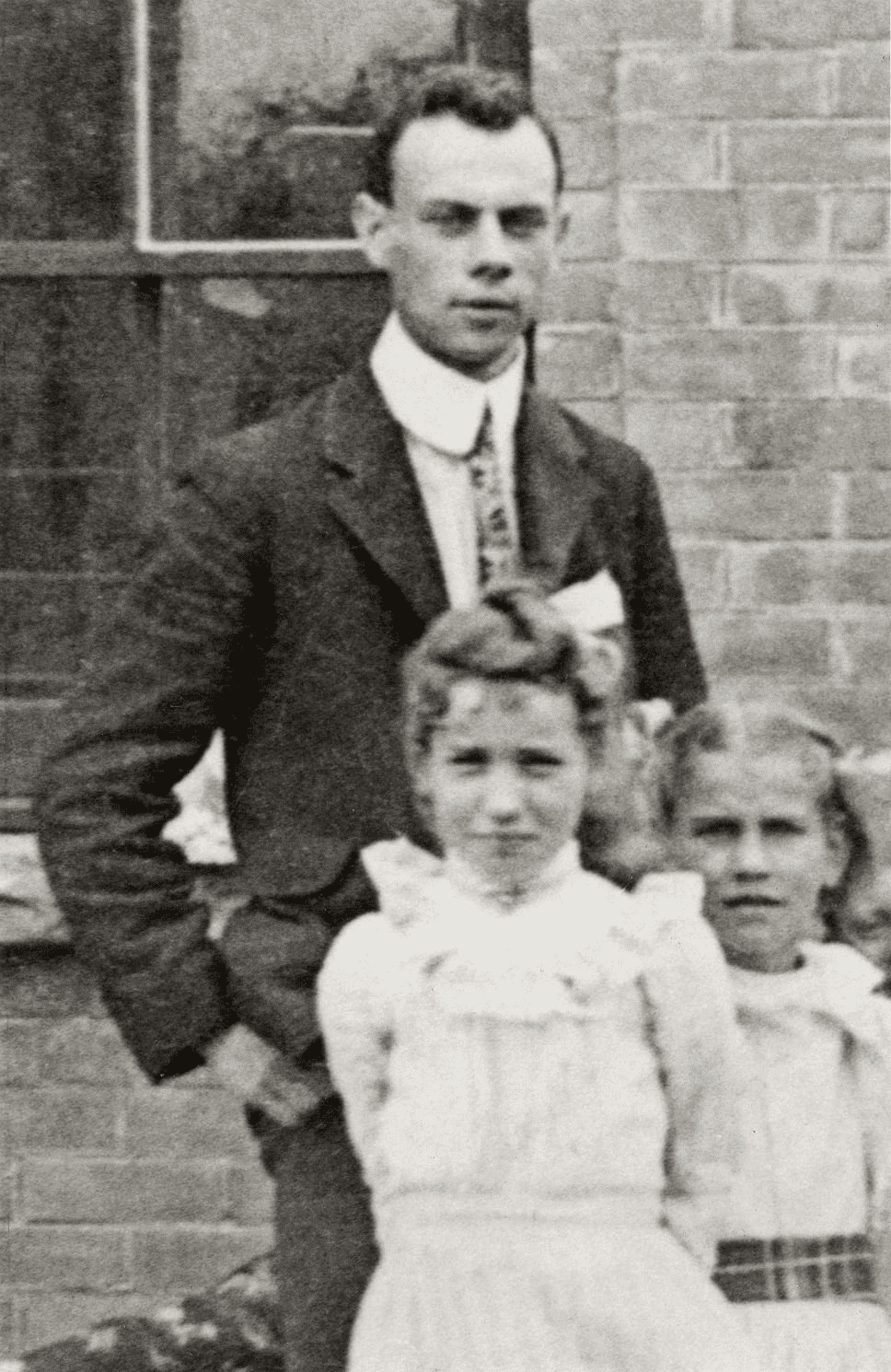
Jos Morgan, the principal of Walkerton High School in Ontario, described Milne as the most outstanding student he had encountered in 40 years. Milne had a particular interest in botany and spent much of his time drawing. In 1903, he moved to New York to pursue a career as an illustrator after working as a rural schoolteacher for three years. He also completed a correspondence art course and experimented with photography. In New York, he studied at the Art Students League (1903–1905), attended lectures by Robert Henri and William Chase, and frequented galleries such as Durand-Ruel, where he admired Monet, and Stieglitz’s 291 Gallery, which showcased works by Cézanne, Brancusi, and Matisse. Although he and his business partner Amos Engle operated a commercial art studio on East 42nd Street for a decade, Milne only decided to pursue painting seriously around 1909.
Exhibitions, Relocation, and War Service
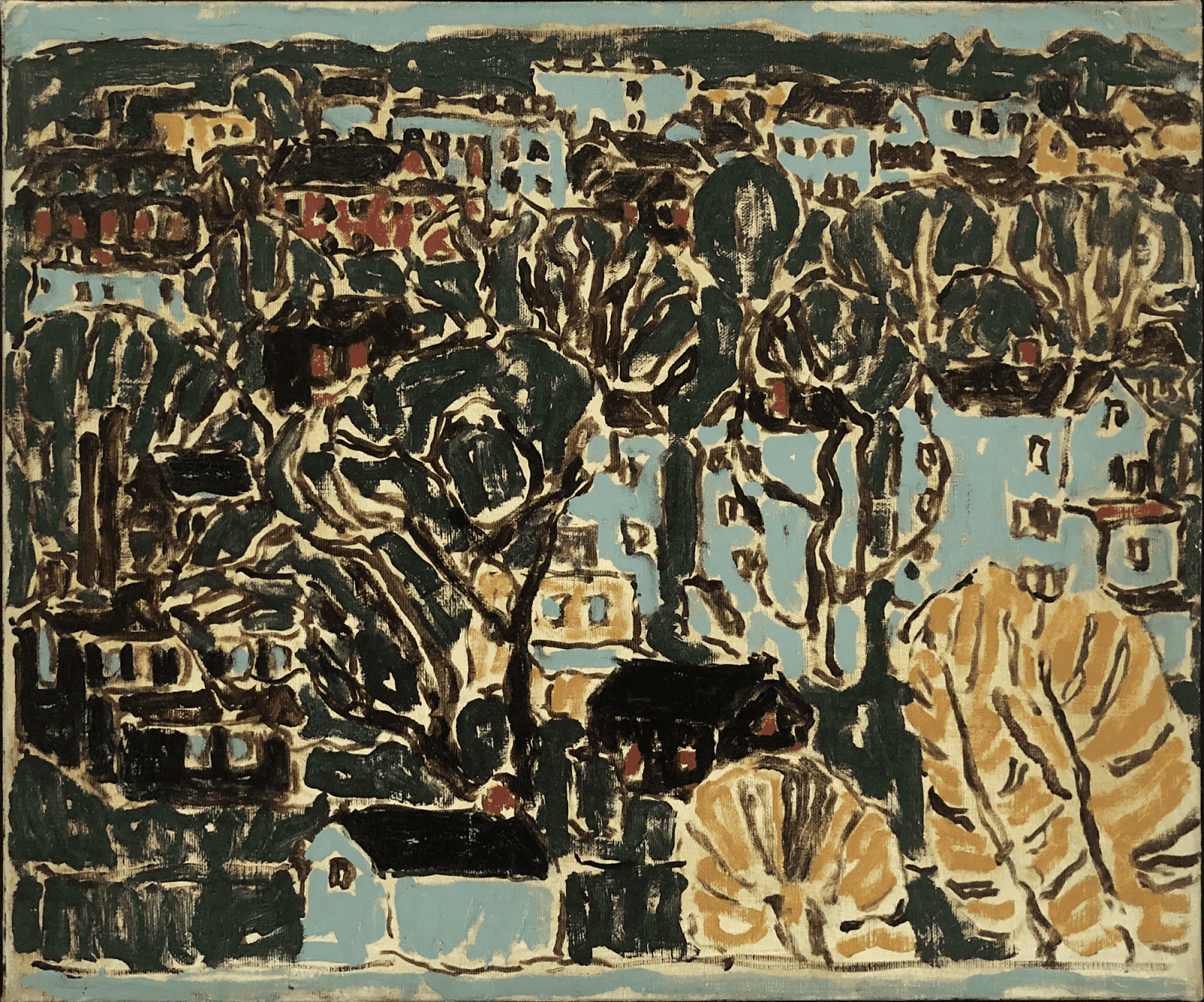
Over the next decade, Milne regularly exhibited bold, avant-garde paintings at leading art societies, N.E. Montross Gallery, the Pennsylvania Academy of Fine Arts, and renowned events like the Armory Show (1913) and the Panama-Pacific Exhibition in San Francisco (1915), where he earned a silver medal. His work often received favorable press coverage, including in The New York Times, and he was regarded as one of the most talented young artists bringing modernist art to North America. Milne served on artists’ committees and juries and once hosted an exhibition in his apartment, painting the walls black for dramatic effect.
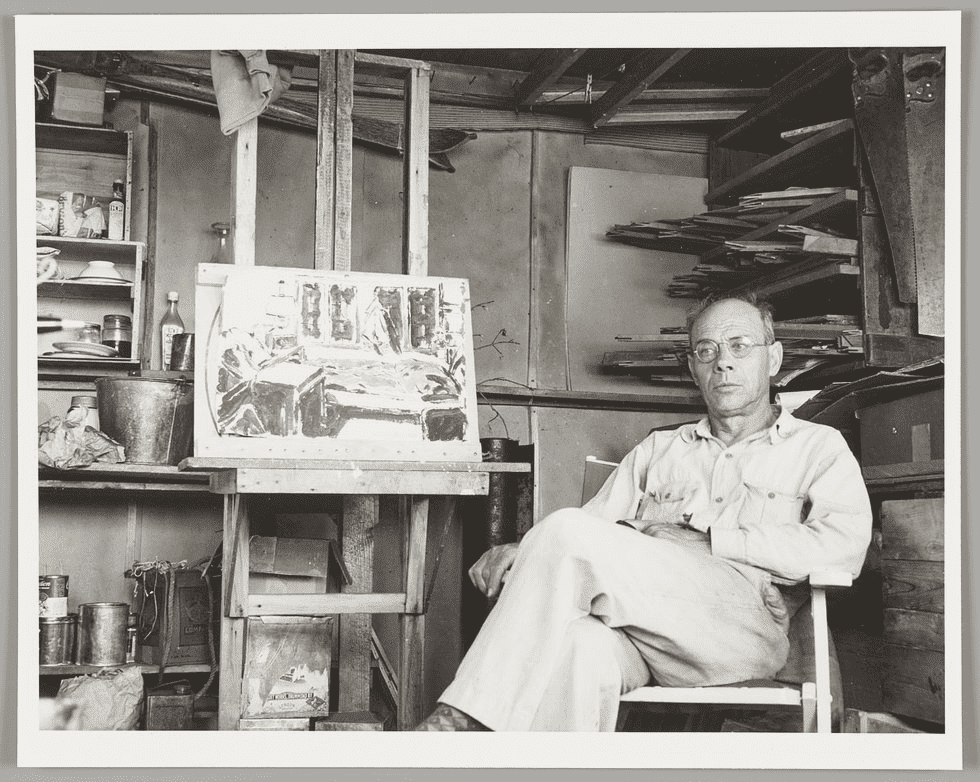
In 1916, Milne and his wife Patsy (née May Francis Hagerty), whom he had married in 1912, moved to Boston Corners in upstate New York. Rural life transformed his artistic focus, shifting from the vertical compositions of New York to the horizontal serenity of landscapes. This period saw Milne at his most innovative and prolific. However, the urgency of World War I soon intervened. He joined the Canadian Army in late 1917, trained in Toronto, spent time in Quebec, and arrived in Europe shortly before the war ended. In 1919, under the Canadian War Memorials Fund, he painted scenes of military camps and training sites in England.
Recognition in Canada
Returning to upstate New York, Milne continued painting prolifically, even undertaking summer projects in the Adirondacks. He spent the winter of 1923–1924 in Ottawa but struggled to establish himself in Canada. After divorcing his wife in 1933, he returned permanently to Ontario, where he lived and painted. His work gained broader recognition in Canada in 1934, thanks to patronage from Alice and Vincent Massey. They organized several exhibitions, the first of which was seen by Alan Jarvis, later the director of the National Gallery of Canada. Jarvis was the first Canadian critic to praise Milne’s work enthusiastically.
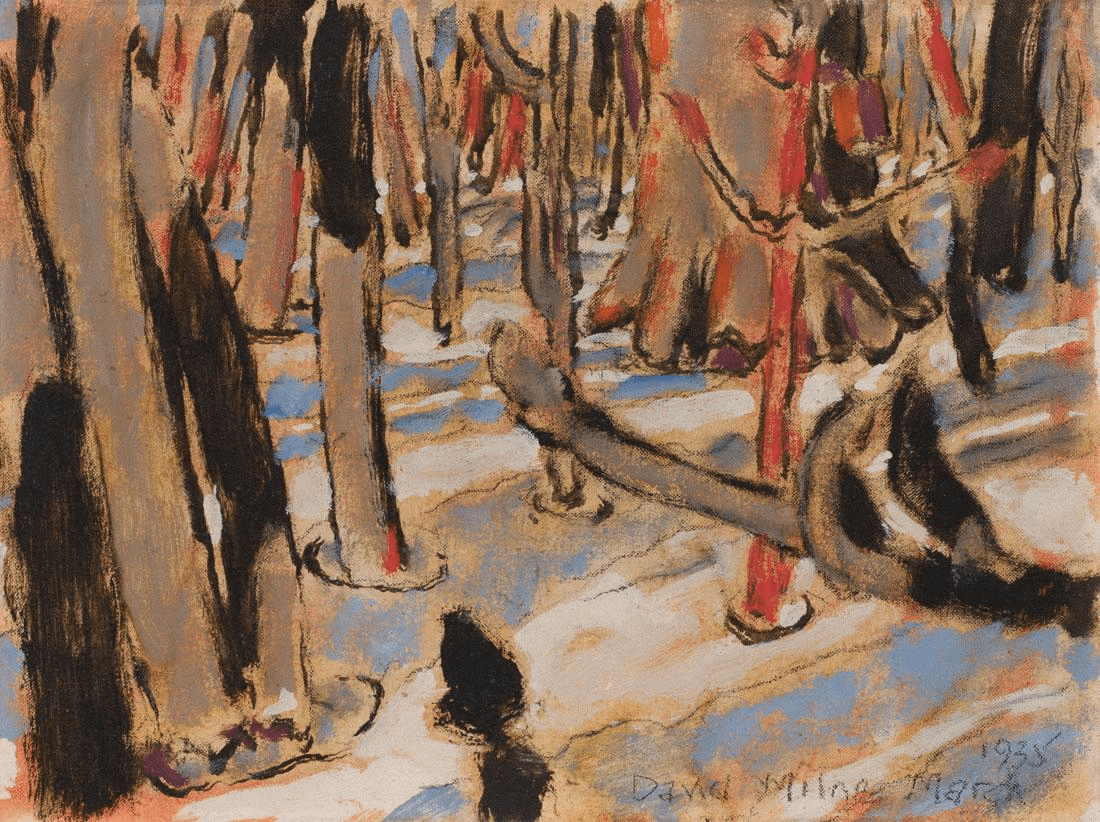
Milne’s art was influenced by both American and French Impressionism, as well as Henri Matisse’s Fauvism. Claude Monet’s aesthetic unity particularly resonated with Milne. He absorbed these influences into a unique and powerful artistic vision. His subjects—houses, barns, flowers, trees, and still lifes—were imbued with a majestic simplicity. While figures appeared in his earlier works from New York and Toronto, landscapes dominated his oeuvre.
The Distinctiveness of Milne’s Art
In the last 15 years of his life, Milne’s work began incorporating fantasy elements. Perhaps inspired by children’s art he encountered near Six Mile Lake or his return to watercolors in 1937 after a 12-year hiatus, Milne explored unusual themes such as statuettes, eccentric still lifes, and biblical interpretations. A major life change—his romance with Kathleen Pavey, whom he met in 1938—may have influenced these creative shifts. In 1941, they welcomed a son, whose toys and bottles became subjects in Milne’s still lifes.
Biblical themes, central to many of his late works, reflected Milne’s symbolic understanding of life, death, rebirth, and resurrection. Series like The Ascension demonstrated his intellectual depth, while Noah’s Ark and Snow in Bethlehem revealed his playful, whimsical side.
As his reputation grew, Milne formed connections with notable artists such as Carl Schaefer, Gordon MacNamara, Jack Nichols, Isabel McLaughlin, and Arthur Lismer. Though his influence on other artists was indirect, his disciplined approach and aesthetic clarity inspired many. Milne also developed a unique method for color drypoint, layering colors with different plates. He explored other printmaking techniques, creating powerful lithographs in 1915 and nearly 60 drypoints over 20 years. His pursuit of the perfect print elevated his status among critics.
Milne was an extraordinarily gifted writer as well as a brilliant painter. His unpublished letters to New York friend James Clarke, the Masseys, and others; his autobiography (1947); and his diaries and painting notes (housed in the National Archives of Canada) provide a wealth of insights into his observations, thoughts, and artistic practices. While much of his writing focused on his artistic goals, successes, and struggles, he was equally candid and perceptive about other artists’ work.
Despite spending half his career in the United States and being a modernist, Milne is regarded as a committed Canadian nationalist and monarchist. In 1945, he submitted a series of flag designs to the government. Although he admired the U.S., he never considered becoming an American citizen. His acceptance in Canada was slow, while the praise he received in New York during his early career was immediate and overwhelming.
Sources: