

Alice Wilson was Canada’s first female geologist and a recognized authority on fossils and the rocks of the Laurentian Valley. Despite facing numerous barriers as a woman in a male-dominated profession, Wilson gradually earned recognition for her work through various honours. Notably, she became the first female Fellow of the Royal Society of Canada in 1938. This exceptional individual is worth celebrating. Read more on torontoski.
About Alice Wilson’s Family, Education, and Achievements
The road to recognition for Alice Wilson was long and challenging. Though she never sought fame, she gained significant recognition during the final decade of her life. Even in her eighties, Alice continued leading student field trips, her energetic approach to studying rocks often surprising her young students. Wilson grew up in a small Ontario town in a family that combined a love of nature with rich intellectual traditions. The Wilson family was highly academic, including her father, John Wilson, a classics professor at Victoria College at the University of Toronto, and her two brothers—one a geologist and the other a mathematician. It is believed that Alice’s love for geology emerged during summers spent outdoors, canoeing and collecting fossils with her family.
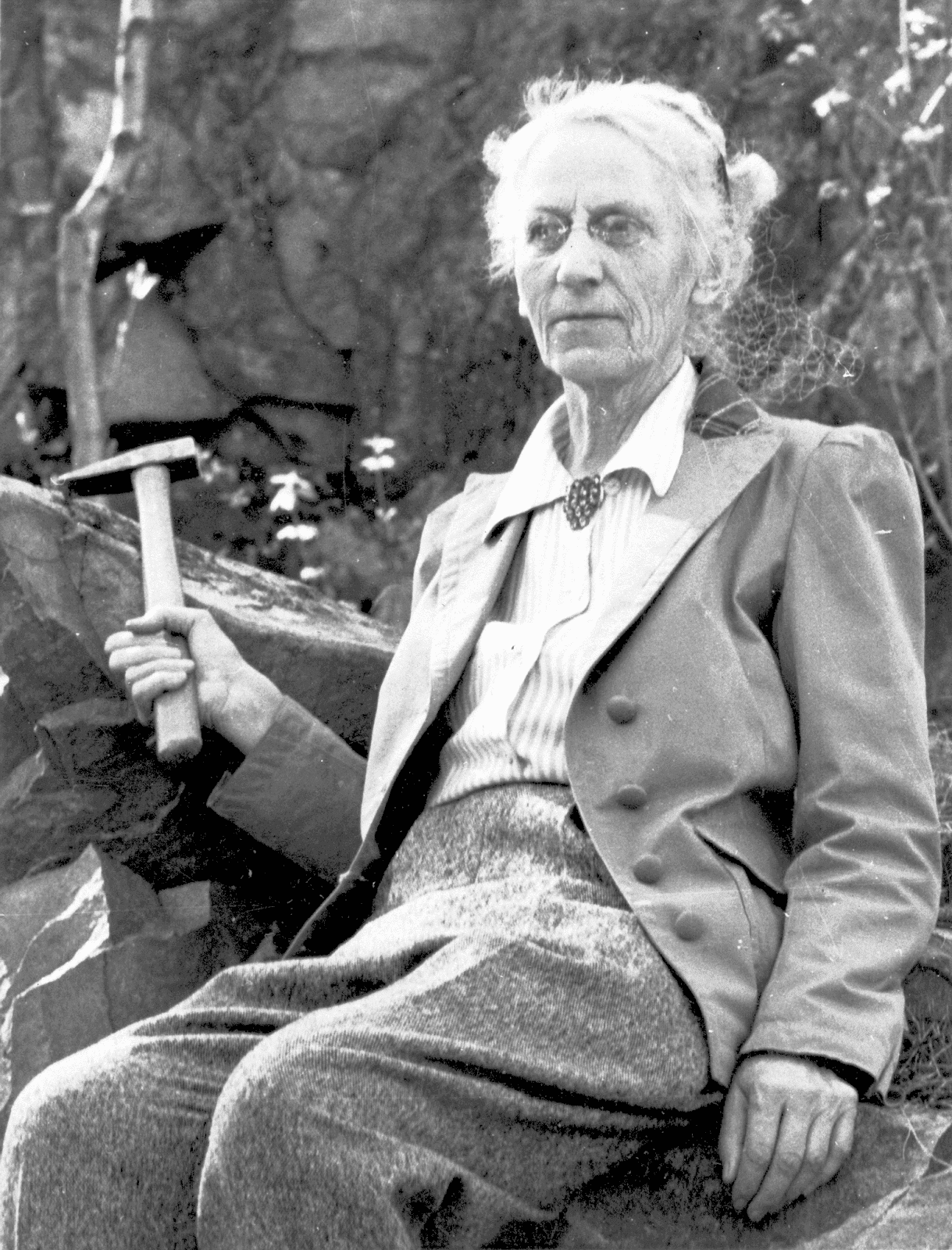
In 1909, she moved to Ottawa to join the Geological Survey of Canada (GSC), where she served for the next 54 years. After a long hiatus, she earned her bachelor’s degree from the University of Toronto in 1911. However, securing leave to pursue graduate studies proved difficult. This opportunity only came much later when, in 1925, she received a scholarship from the Canadian Federation of University Women’s Clubs. In 1929, she earned her Ph.D. from the University of Chicago, focusing her dissertation on the geology and paleontology of the Cornwall, Ontario, region.
Dr. Wilson’s academic journey culminated in 1960 when Carleton University awarded her an honorary Doctor of Laws degree. Alice Wilson was the first woman to be admitted as a Fellow of the Royal Society of Canada. She was also a member of the Geological Society of America and an Officer of the Order of the British Empire.
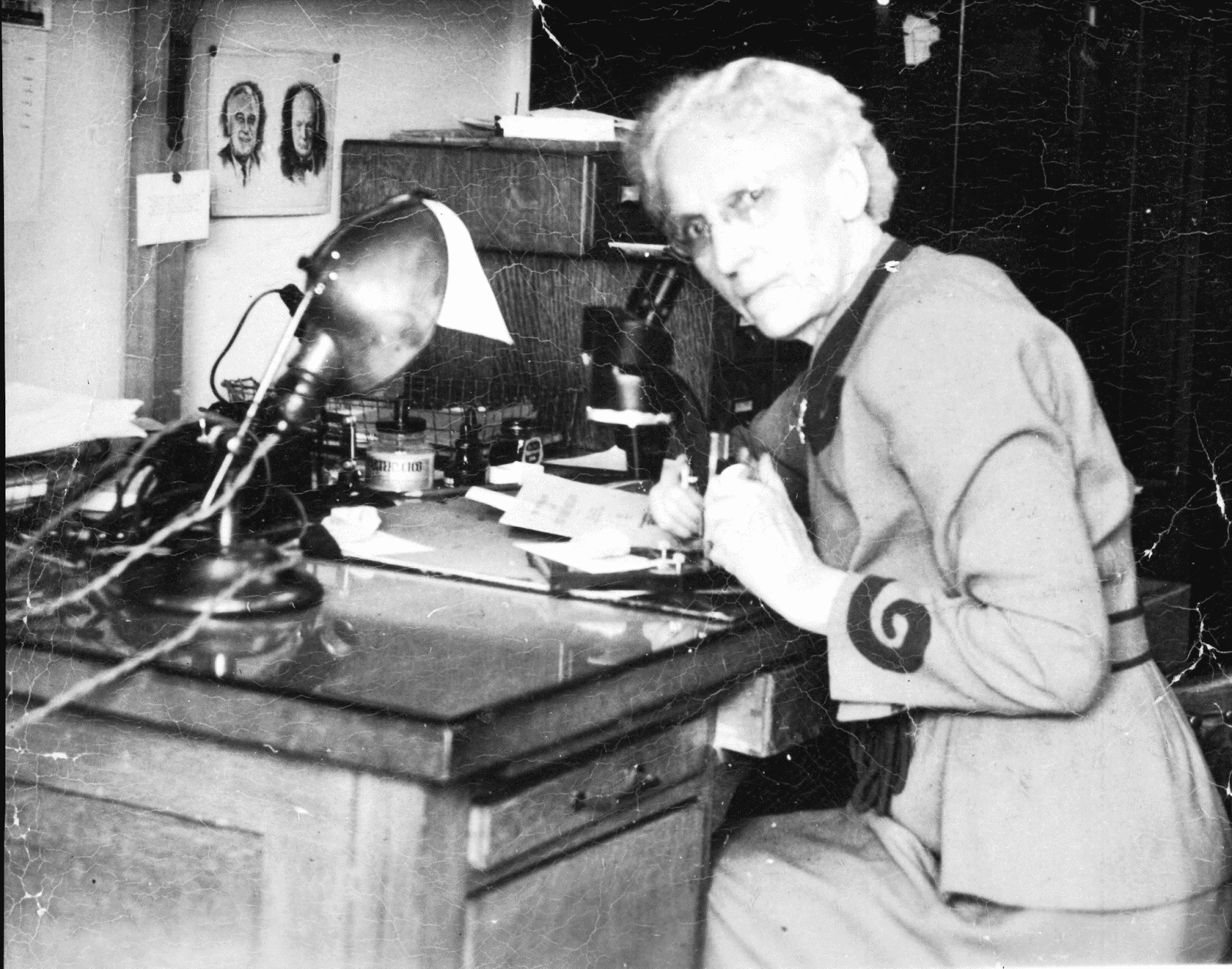
Alice Wilson – A Woman Who Achieved Many Firsts
When discussing Alice Wilson’s accomplishments, it is essential to highlight her numerous firsts. Besides being appointed an Officer of the British Empire in 1935 and the first Canadian woman to become a Fellow of the Geological Society of America (1936) and the Royal Society of Canada (1938), she was also the first woman to earn an honorary Doctor of Laws degree from Carleton University.
Additionally, Alice Wilson was the first woman hired by the Geological Survey of Canada (1909). Her pioneering work set a precedent, as she became the first Canadian woman accepted into the Geological Society of America (1936) and the first female Fellow of the Royal Society of Canada (1938). In 1935, when Prime Minister R.B. Bennett sought to honour women in federal public service, Wilson was appointed as an Officer of the Order of the British Empire.
In 1991, the Royal Society of Canada established the Alice Wilson Award to recognize early-career women researchers. In 2005, she was inducted into the Canadian Science and Engineering Hall of Fame. On October 18, 2018, the Government of Canada unveiled a commemorative plaque at the Canadian Museum of Nature, designating Alice Wilson as a person of national historic significance.
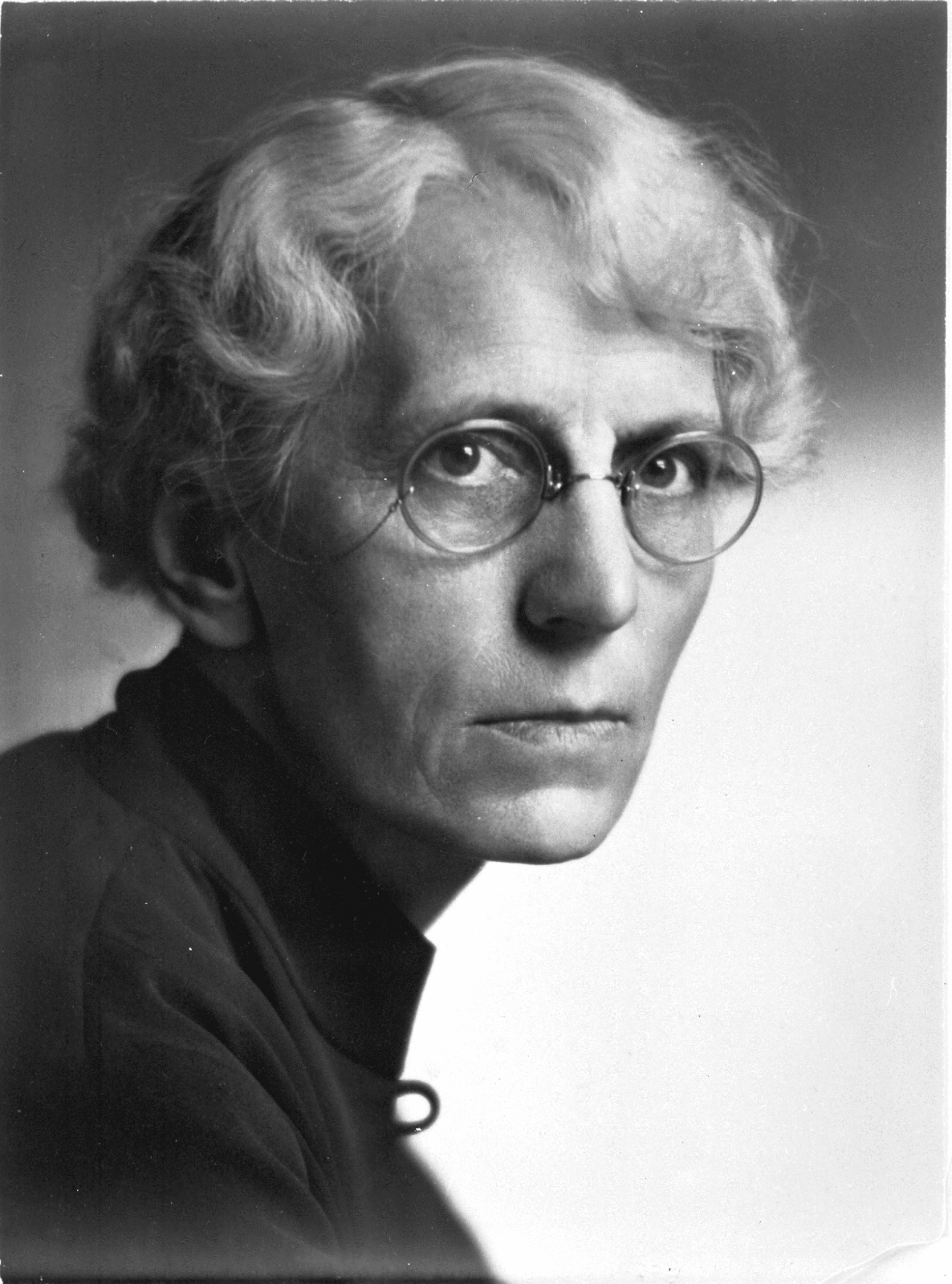
Lifelong Learning
In 1901, Wilson earned a Bachelor of Arts degree with honours in languages and history from Victoria College. Due to illness, her degree was incomplete, and she officially graduated only in 1911. During her hiatus, Wilson worked as an assistant in the Mineralogy Museum at the University of Toronto (1907). In 1909, she qualified for a position at the Geological Survey of Canada as a clerk in the Invertebrate Paleontology Section at the Victoria Memorial Museum in Ottawa. She catalogued and labeled collections under the mentorship of Percy Raymond, an American who was then the GSC’s chief paleontologist. Raymond encouraged her to take leave to complete her studies. After returning in 1911, she received a permanent position.
In 1915, Alice Wilson applied for another leave to pursue doctoral studies. Though study leaves were paid at the time, her requests were denied. She continued lobbying her employer but was repeatedly refused. In 1926, she received a scholarship from the Canadian Federation of University Women (CFUW), but the GSC again refused her leave. The CFUW campaigned on her behalf and ultimately succeeded. Thus, at age 49, Alice Wilson earned her Ph.D. from the University of Chicago.
How the Esteemed Geologist Built Her Career
Alice Wilson worked at the Geological Survey of Canada from 1909 until her retirement in 1946. Although she progressed in her career at the GSC, her advancement was slower and more arduous than that of her male colleagues. In 1920, she was promoted from clerk to assistant paleontologist, and in 1926, she became assistant geologist (the title “geologist” was considered more prestigious).
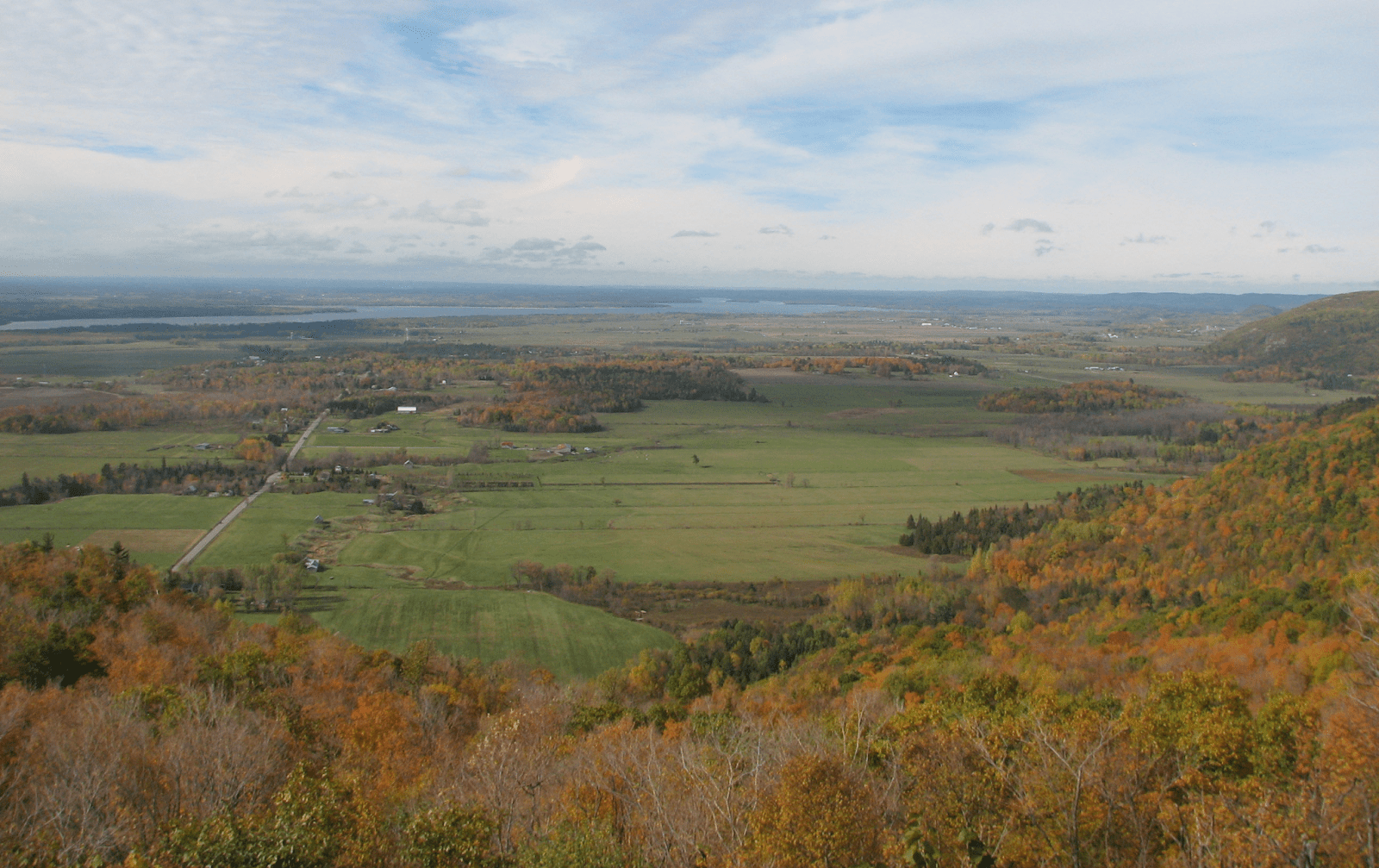
Wilson’s work focused on invertebrate fossils found across Canada from the Paleozoic Era (252–541 million years ago) and Ontario from the Ordovician Period (444–485 million years ago). She also studied the stratigraphy (rock layers) of Ontario and Quebec and began researching Ordovician fauna in the Rocky Mountains and the Arctic. Interestingly, Wilson noted the challenges women faced in geology, likening obstacles to stone walls that must be navigated rather than confronted directly.
Ironically, Wilson’s significant contributions to Ontario and Quebec’s geological knowledge stemmed partly from GSC’s sexist policies. While she wanted to conduct fieldwork, she was not allowed to travel to remote locations with her male colleagues (a restriction that persisted until 1970). Instead, she persuaded the GSC to let her make short, solo trips to the relatively unexplored Laurentian Valley. Exploring on foot and by bicycle, she studied the area. When the GSC declined to provide her with a car (something given to male colleagues), she purchased her own.
After her mandatory retirement at age 65, Wilson continued working at the GSC until age 82. She also taught paleontology at Carleton College (later Carleton University) from 1948 to 1958. In 1947, Alice published “The Earth Beneath Our Feet”, a children’s book about geology.
Alice Wilson passed away on April 25, 1964, at the age of 83. In her honour, the Royal Society of Canada established the Alice Wilson Award in 1991. This annual award recognizes women with exceptional academic achievements who are beginning postdoctoral fellowships. Alice Wilson was undoubtedly one of Canada’s most esteemed geologists, a world-renowned paleontologist, an inspiring teacher, and an unwavering advocate for recognizing women’s professional skills.
Sources: