

Catharine Parr Traill was a pioneer writer and one of Toronto’s most renowned amateur botanists. Her books are among the earliest in the Canadian literary canon. Works like The Backwoods of Canada: Letters from the Wife of an Emigrant Officer (1836) provide detailed accounts of pioneer life in Canada, while Canadian Wildflowers (1868) and Studies of Plant Life in Canada (1885) highlight her expertise as an amateur botanist. Read more at torontoski.
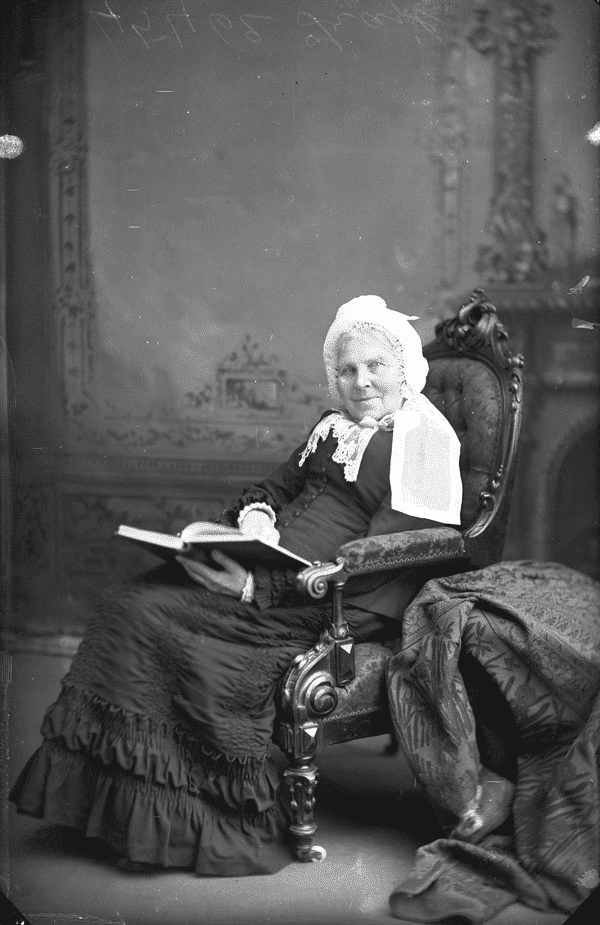
Family and Childhood of Catharine Parr
Catharine Parr Traill was born on January 9, 1802, in London, England, and passed away on August 29, 1899, in Lakefield, Ontario. She was the fifth child in a family of eight born to Elizabeth and Thomas Strickland. Her father, a former manager of the Greenland Docks on the River Thames, moved the family to Suffolk’s countryside after his retirement. This relocation fostered a deep love for nature among the children.
Thomas Strickland was committed to his daughters’ education, teaching them geography, history, and mathematics. This emphasis on learning was unusual for women of that era and contributed to Catharine and her sisters’ intellectual development. All but one of her sisters became writers, with Elizabeth and Agnes gaining fame as royal biographers. Her brother, Samuel, also authored an autobiography.
Adult Life of the Writer
Catharine was engaged to Francis Harral, son of a renowned English author, for two years. However, the relationship ended in 1831. Shortly after, she met Thomas Traill, a widowed retired lieutenant. They married in 1832 and emigrated to Canada, hoping to benefit from land grants and affordable property in Upper Canada. With help from her brother Samuel, already settled in Canada, they acquired land along the Otonabee River near Peterborough, Ontario.
The Traills had nine children, though two daughters died in infancy. After Thomas passed away in 1859, Catharine supported herself and her children through her writing. She relocated to a cottage in Lakefield, Ontario, where she lived until her death at the age of 97.
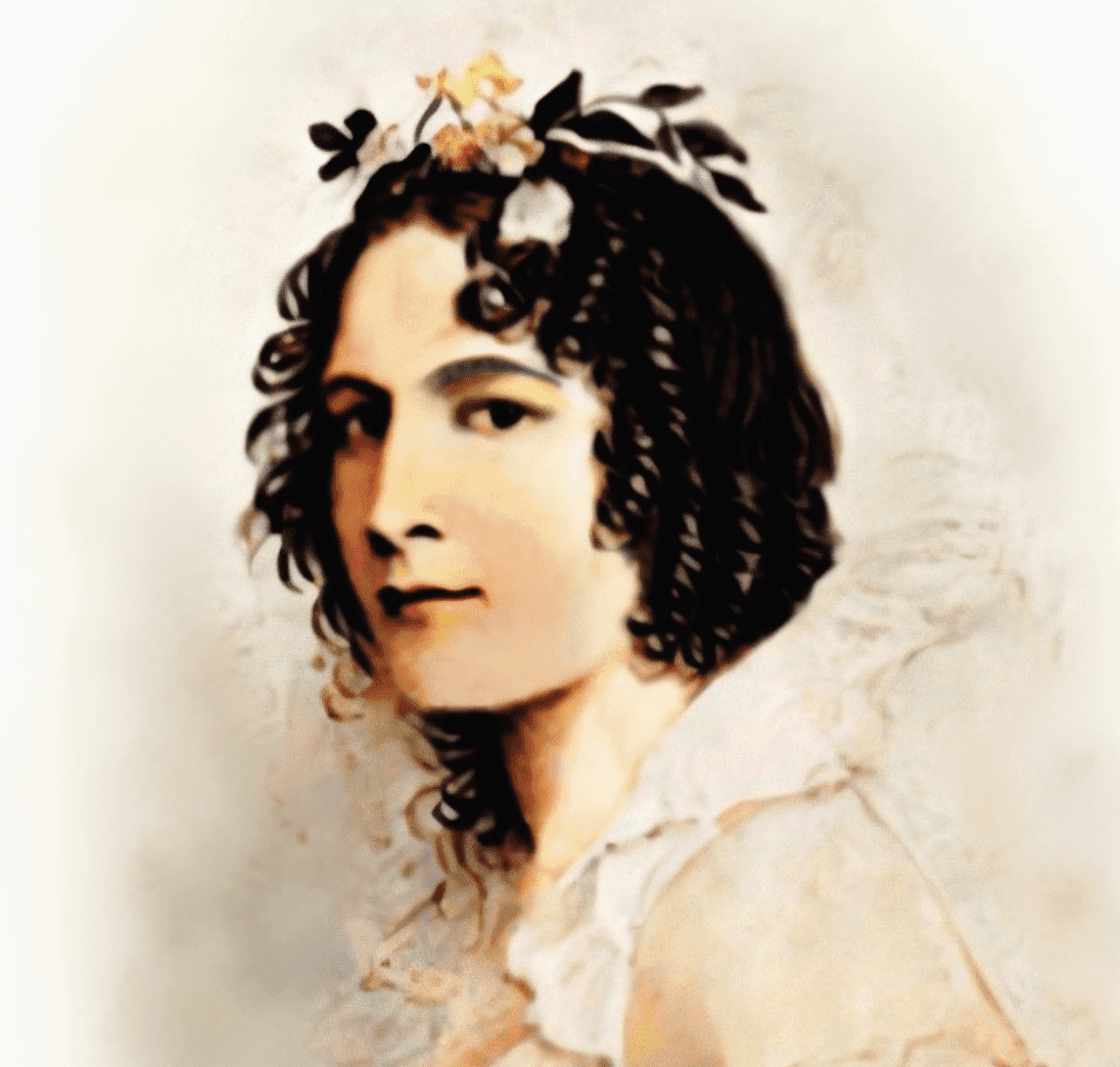
Writing Career
Catharine Parr Traill’s detailed and realistic narratives, typical of late 19th-century literature, established a tradition in Canadian writing. Over her lifetime, she authored 24 books. Her first, The Tell Tale: Original Tales for Young People, was published in 1818 when she was just 16. Her early works often featured moral lessons conveyed through stories or autobiographical essays.
Catharine’s experiences in Canada inspired her to write children’s books and guides about pioneer life, as well as works on Canadian flora and fauna. Her most famous book, The Backwoods of Canada (1836), documents her first three years in the wilderness, combining factual and optimistic descriptions of life in the bush. This pragmatic tone became a hallmark of Canadian literature, influencing writers such as Farley Mowat and Pierre Berton.
Notable botanical works include Canadian Wildflowers (1868) and Studies of Plant Life in Canada (1885).
Contributions to Botany
Throughout her life in Canada, Catharine collected flowers and plants, often pressing them between book pages and meticulously documenting each specimen. She described Canada as a rich and fertile ground for botanical inquiry in The Backwoods of Canada. Though she lamented her lack of training in botanical illustration, she compensated with her passion for plant study.
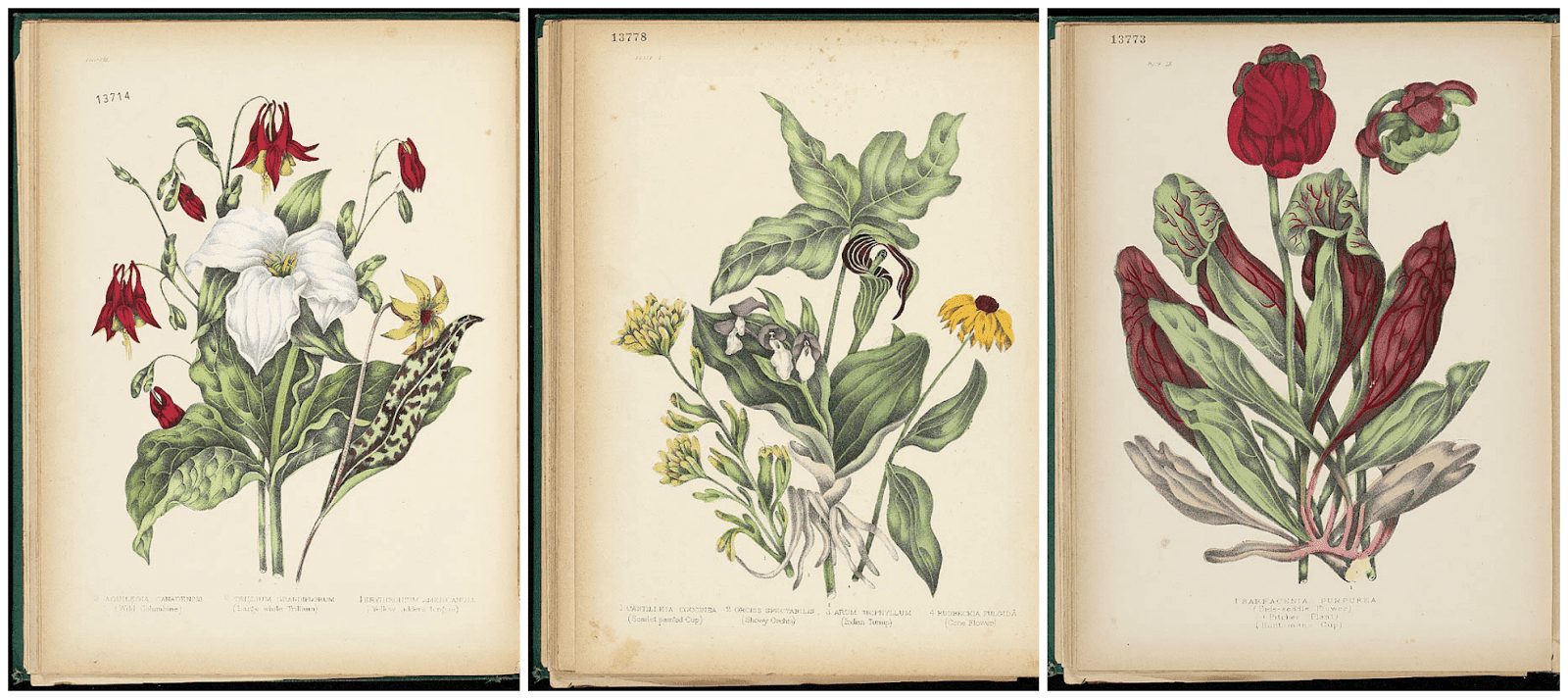
In the 1860s, Catharine collaborated with her niece Agnes Dunbar FitzGibbon on Canadian Wildflowers (1868), providing text while Agnes created the illustrations. Their work stands as one of Canada’s earliest field guides.
Her botanical observations have proven invaluable for reconstructing 19th-century Canadian landscapes, offering insights into the natural environment of Upper Canada. James Fletcher, Canada’s first official botanist, praised her work as a landmark achievement.
Strength and Resilience of Catharine
Catharine Parr Traill’s contributions to Canadian natural history are immeasurable. Upon arriving in Cobourg in 1832, she was warned by a settler that it would take five years of relentless labor before she could even consider planting a garden. The vast wilderness she encountered in Canada was far removed from the neat hedgerows and cultivated fields of rural England.
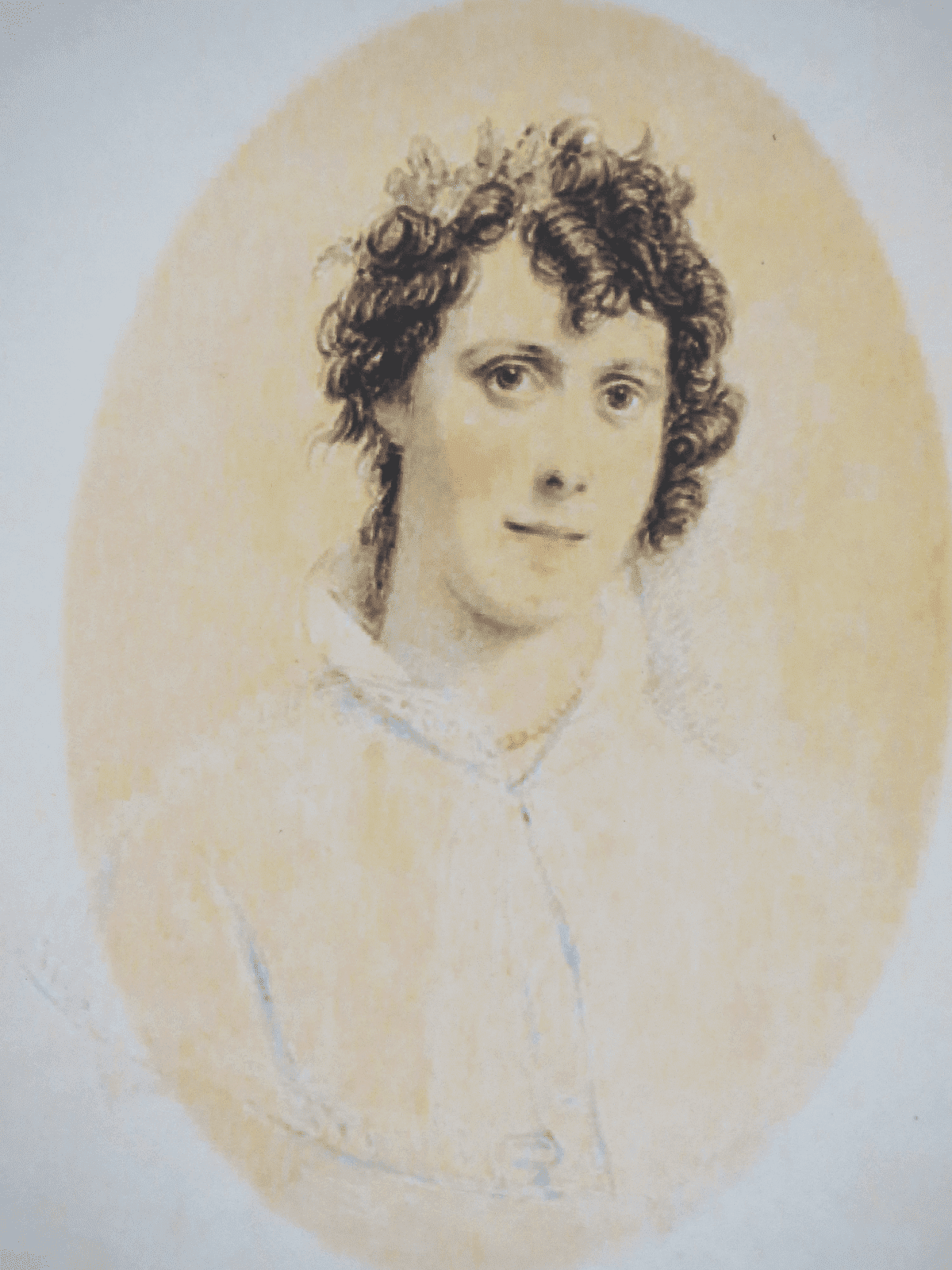
Despite numerous hardships, including poverty and the death of two children, Catharine adapted remarkably to her circumstances. While her husband struggled with poor health, she found solace in her surroundings and wrote extensively about nature’s beauty. Her works highlight her admiration for Indigenous knowledge, particularly regarding the medicinal and nutritional properties of plants.
Catharine’s resilience, combined with her ability to document and celebrate the Canadian wilderness, solidified her legacy as a pioneer in both literature and botany.