

Glenn Gould was one of the most outstanding musicians of the 20th century. Born on September 25, 1932, in Toronto, Gould initially gained recognition as a pianist with extraordinary talent. However, his career extended beyond piano performance to include writing and producing radio documentaries, composing, and authoring scholarly and critical works. Read more on torontoski.
Gould’s Vision: Music Beyond the Stage
Glenn Gould achieved legendary status as a concert pianist by the age of thirty, but he later redirected his energy toward innovative ways of sharing music through the media. At 32, he stopped performing live concerts, a decision that worried his friends and colleagues, who feared it would harm his standing in the international music world. However, Gould’s foresight led him to solidify his career as a recording artist with CBS Records, influencing new generations of performers and listeners with his vivid interpretations of composers like Bach. His bold and sometimes controversial explorations of the classical repertoire marked a significant evolution in musical interpretation and performance.
Gould’s passion for media technology as a platform for sharing his ideas began early in his collaboration with the Canadian Broadcasting Corporation (CBC). Alongside numerous performances, he pioneered new creative paths with radio documentaries, television essays, and performances. His reissued works continue to reveal profound musical insights, engaging a fresh audience.
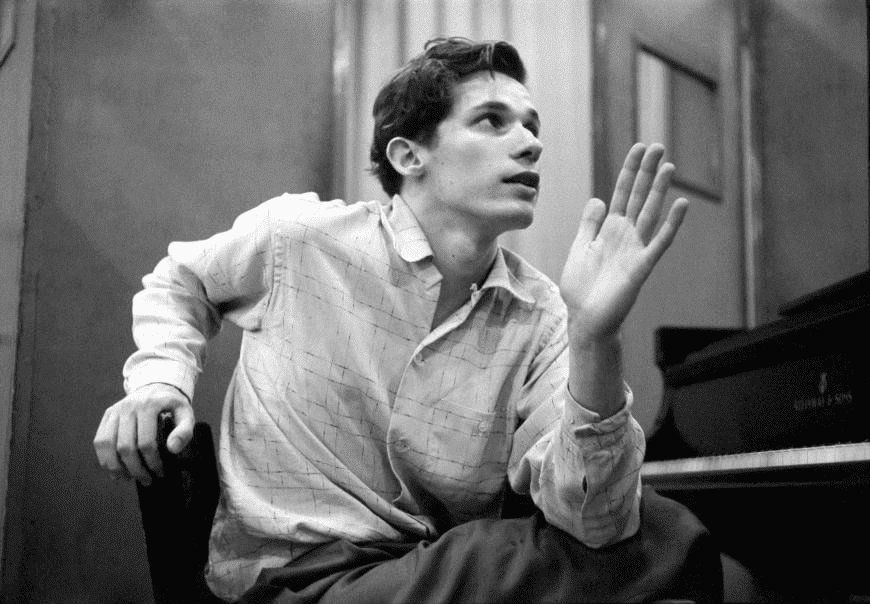
Gould’s untimely death on October 4, 1982, just days after his fiftieth birthday, was mourned by music lovers worldwide. Through his recordings and contributions to media, Gould left a rich legacy of musical ideas and performances that continue to inspire generations globally.
Musical Talent, Debuts, and Concerts
Glenn Herbert Gould spent most of his life in Toronto. His original surname, “Gold,” was changed around 1939. Gould’s extraordinary musical abilities, including perfect pitch, were evident from the age of three. He learned the fundamentals of music and piano from his mother as a child and went on to study theory (1940–1947), organ (1942–1949), and piano (1943–1952) under Alberto Guerrero at the Toronto (later Royal) Conservatory of Music, where he graduated with highest honours at the age of 12.
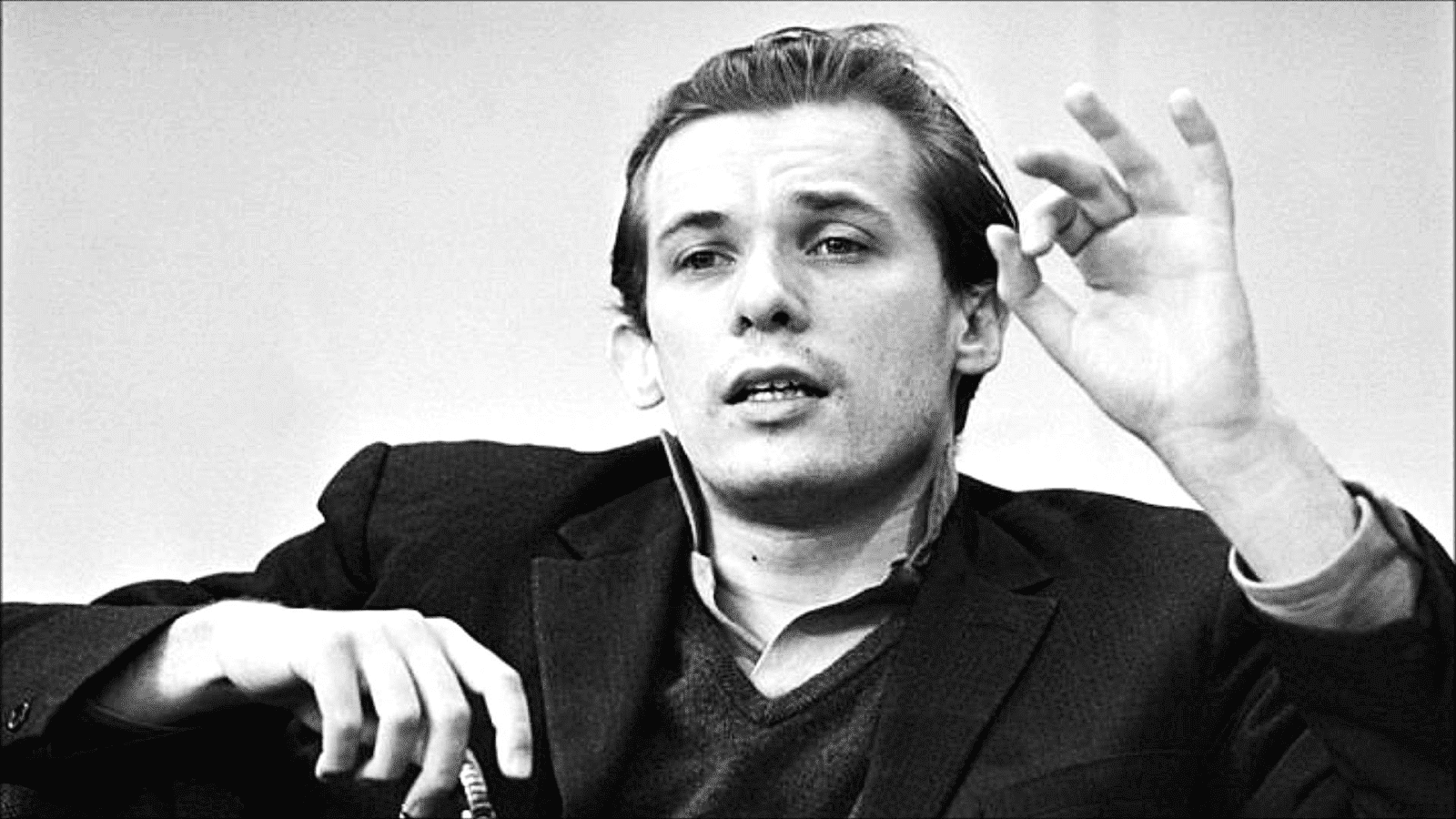
From the age of five, Gould played piano and organ, participating in various music festivals. However, his parents never imposed a child prodigy lifestyle on him. In 1947, he made his professional debut and began performing in concerts. By the early 1950s, he had become well-known across Canada, thanks to concerts, CBC radio and television broadcasts, and recordings. Starting in 1953, he performed annually at the Stratford Festival, serving as one of its music directors from 1961 to 1964.
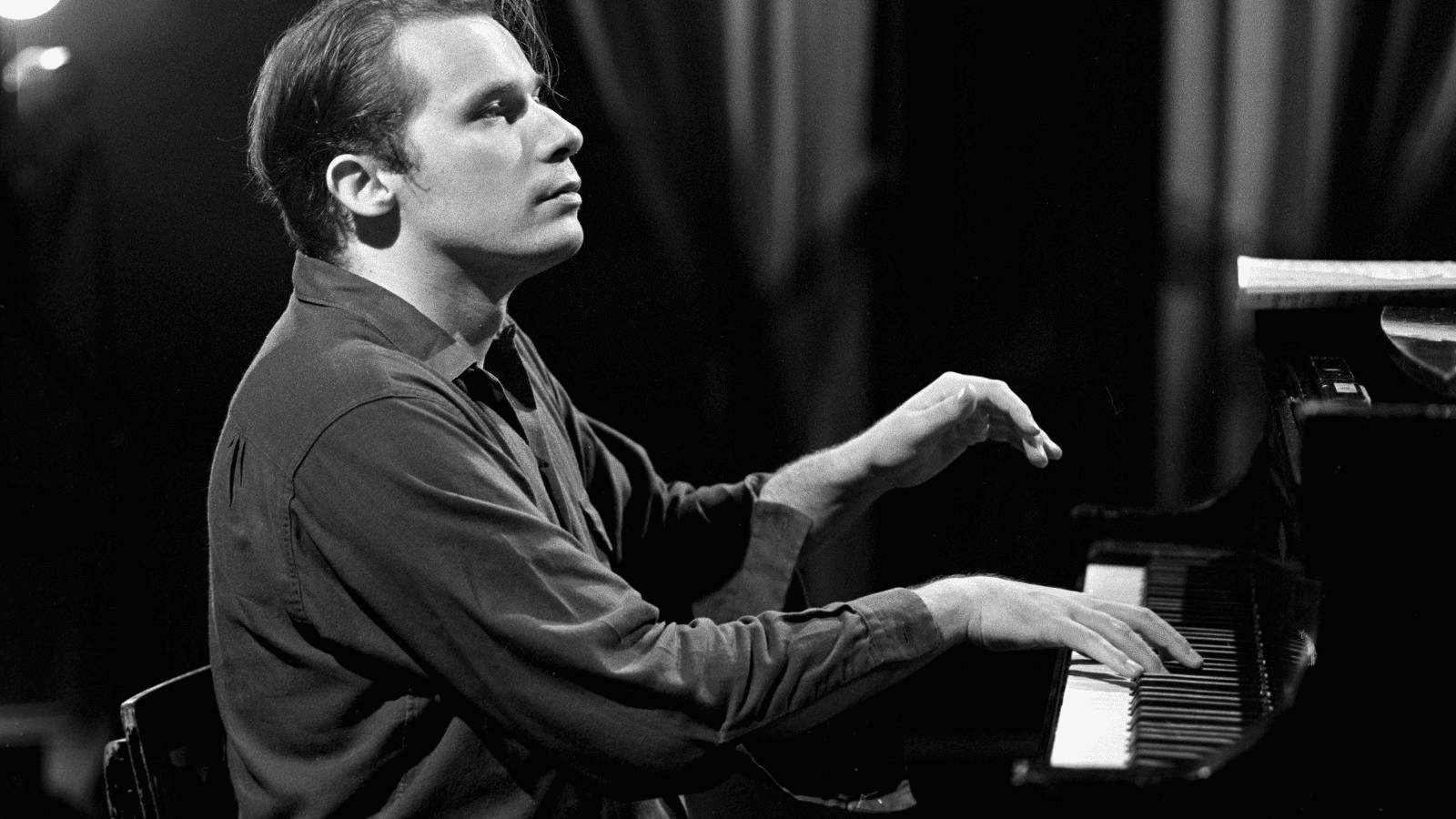
Gould’s American debut came in January 1955 with solo recitals in Washington, D.C., and New York. His unconventional program, featuring works by Sweelinck, Gibbons, Bach, late Beethoven, Berg, and Webern, alongside his distinctive piano style and unique stage mannerisms, marked him as an iconoclast. The day after his New York debut, he signed an exclusive recording contract with Columbia Records. His first recording, Bach’s Goldberg Variations, released in 1956, garnered critical and public acclaim, bringing him international attention. Over the next nine years, Gould lived as a touring virtuoso, performing across North America and embarking on three overseas tours between 1957 and 1959, playing in the Soviet Union, Western Europe, Israel, and London. His eccentric personality on and off stage attracted as much commentary as his playing, making him a consistent focus of media attention
Gould as a Writer
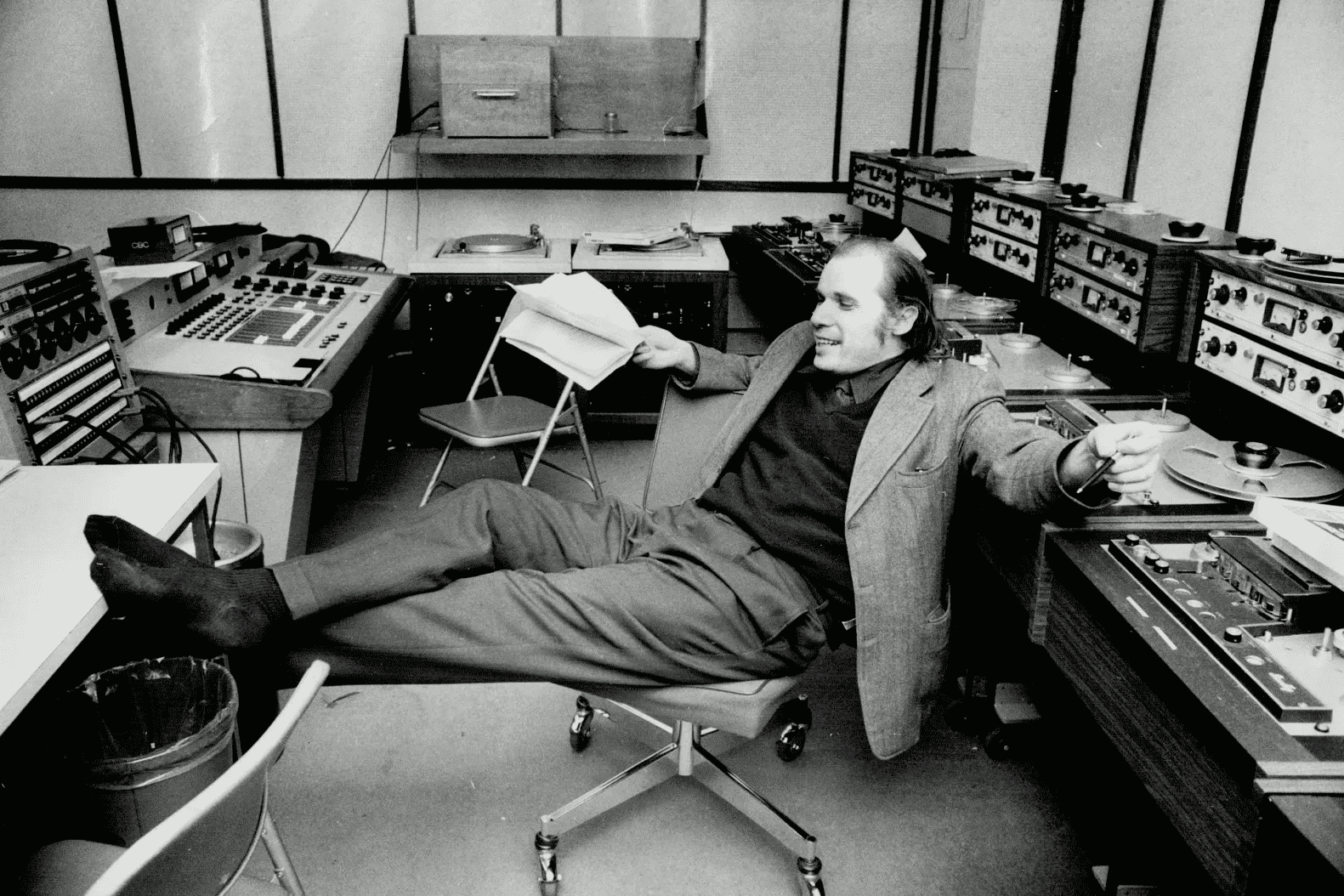
In 1964, Gould permanently retired from live performances, citing temperamental, moral, and musical objections to the concert environment. He became a vocal advocate for electronic media, including studio recordings, broadcasting, and filmmaking. Gould created numerous radio and television programs for CBC, blending solo performances with talks and themed shows.
During the 1960s and 1970s, Gould developed seven groundbreaking “contrapuntal radio documentaries,” resembling audio tapestries that combined elements of documentary, drama, and musical composition. Four of these works portrayed musicians he admired, while others, like the extraordinary Solitude Trilogy, explored themes of isolation, Newfoundland’s culture, and Manitoba Mennonites. Gould also created programs for the BBC (Conversations with Glenn Gould, 1966) and French and German television (Chemins de la musique, 1974; Glenn Gould Plays Bach, 1979–1981).
In addition to his media work, Gould was an accomplished writer, particularly after 1964. He explored numerous musical topics in liner notes, periodicals, reviews, scripts for broadcasts and films, interviews, and public lectures. Gould had been writing since childhood, composing piano pieces, a bassoon sonata, and other unfinished works as a teenager. His most significant composition was a lengthy single-movement string quartet, Opus 1, created between 1953 and 1955 and later published and recorded. Despite his early ambition to devote himself to composition, Gould completed only a few works after his quartet, most of them humorous. He also arranged music for two feature films: Slaughterhouse-Five (1972) and The Wars (1982).
Glenn Gould’s Repertoire
Gould was among the most unconventional classical musicians of his time. His repertoire was highly selective, avoiding much of the early Romantic and Impressionist music central to the piano repertoire. Instead, he focused on Baroque, Classical, late Romantic, and 20th-century music. He performed Bach and Schoenberg with particular authority, two composers who held a central place in his artistic philosophy. Gould’s approach challenged many traditional piano-playing conventions, such as his preference for detached articulation, but his virtuosity, intellectual depth, rhythmic dynamism, precise finger work, and contrapuntal clarity won widespread acclaim.
Gould offered original, deeply personal, and sometimes shocking interpretations characterized by extreme tempos, unusual dynamics, and unconventional phrasing, which often provoked controversy, especially in well-known works by Bach, Mozart, Beethoven, and Brahms.
Sources: